
South Luangwa pioneered the walking safari in the 1950s and remains Africa's premier walking destination. Discover multi-day walks, fly-camping, and what it's like on foot with big game.
Where Walking Safari Was Born
In the 1950s, Norman Carr — a legendary conservationist and guide — pioneered the concept of walking safaris in Zambia's Luangwa Valley. He believed that experiencing the bush on foot, at the animals' level, was the most profound way to connect with wilderness. Seventy years later, his legacy lives on, and South Luangwa remains the undisputed capital of walking safaris.
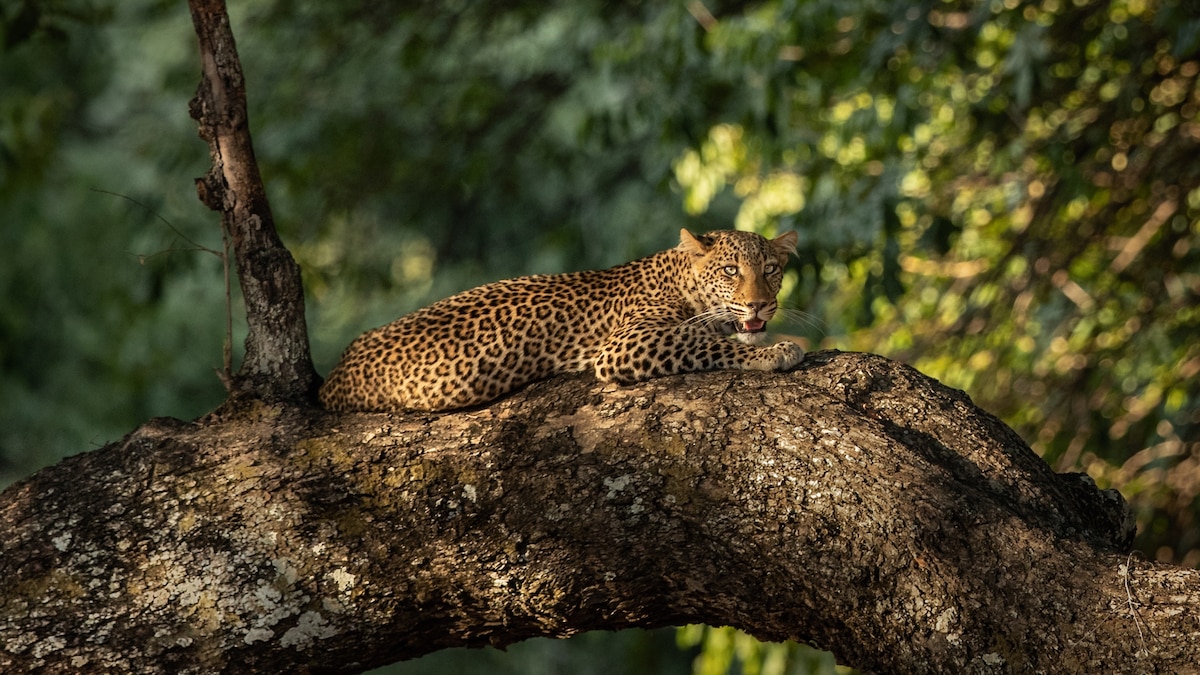
Walking in the Luangwa is different from walking anywhere else in Africa. The valley's flat terrain, dry-season concentrations of wildlife, and generations of expert walking guides create conditions that consistently deliver extraordinary on-foot encounters with big game — elephants, buffalo, hippos, lions, and the park's famous leopards.
Types of Walking Safari
Morning Bush Walk (2-4 hours): The most accessible option, available from most Luangwa camps. You head out at dawn with an armed guide and scout, walking through the bush looking for tracks, learning about ecology, and encountering wildlife on foot. These walks are suitable for all fitness levels and provide a taste of the walking safari experience.
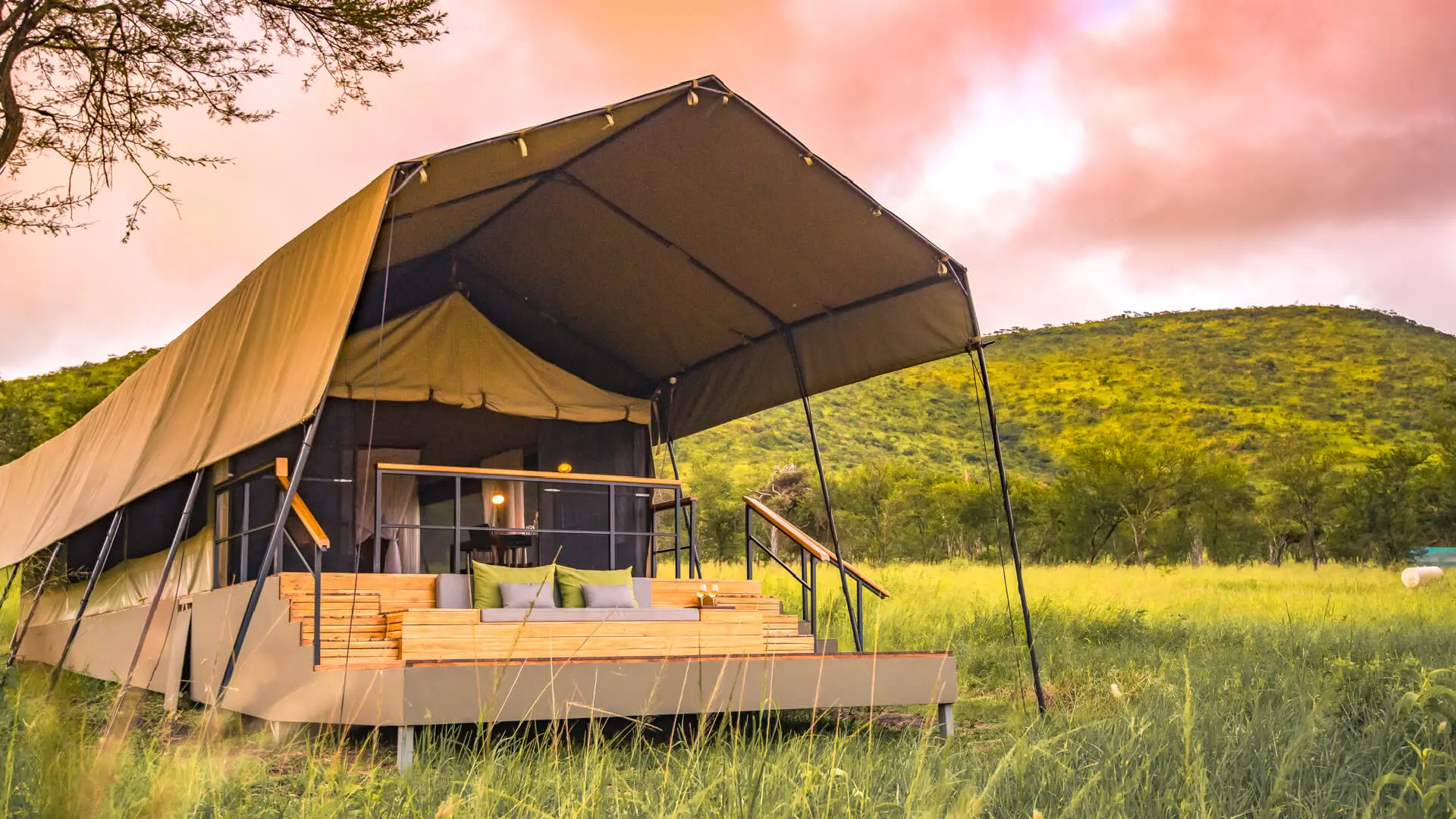
Multi-Day Walking Trail (3-5 days): The ultimate Luangwa experience. You walk between temporary bush camps (fly-camps) set up in advance, covering 10-15km each day. Camp each night is a simple but comfortable setup: dome tent, bucket shower, campfire, and dinner under the stars. The immersion is total — no vehicles, no lodges, just you, your guides, and the bush.
Night Walking (available at some camps): A unique experience offered by a few Luangwa operators — walking in the bush after dark with a guide and spotlight. The nocturnal bush reveals a completely different world: large-spotted genets, bushbabies, civets, and sometimes leopards. It's thrilling and slightly unnerving in the best possible way.
What to Expect on Foot
Your guide walks in front, armed rifle on shoulder, reading the landscape like a book. Behind him, a scout watches the rear and flanks. You walk single file between them, moving quietly through the bush. The first thing you notice is how different everything feels at ground level — bushes that looked small from a vehicle are suddenly head-height. Sounds are amplified. Your senses sharpen dramatically.
Encounters with big game on foot are heart-stopping in the best way. Coming around a thicket to find a bull elephant feeding 30 metres away, hearing the breathing of a lion in tall grass, watching a leopard cross your path — these are experiences that change your relationship with the natural world forever. Your guide manages every encounter with calm expertise, knowing exactly when to stand still, when to retreat slowly, and when to get closer.
Practical Information
Walking season runs May-November (dry season). The best months are August-October when wildlife concentrations peak. Wear comfortable walking shoes (not hiking boots — trainers or light boots are fine), neutral colours, a hat, and sunscreen. Carry water and binoculars. Most walking safaris are booked as part of a multi-day Luangwa itinerary combining walking and vehicle-based game drives.
Norman Carr's legacy camps (Nsolo, Luwi, Kakuli) continue to offer some of the finest walking safaris in Africa, as do Robin Pope Safaris, Remote Africa Safaris, and The Bushcamp Company. Book your South Luangwa walking safari with us.