
Explore Zambia's extraordinary safari parks. From walking safaris in South Luangwa to canoeing the Lower Zambezi, discover why Zambia is the birthplace of the walking safari.
Zambia: Birthplace of the Walking Safari
Zambia holds a special place in safari history as the birthplace of the walking safari, pioneered by legendary conservationist Norman Carr in the Luangwa Valley in the 1950s. Today, Zambia remains one of Africa's finest walking safari destinations, offering intimate, uncrowded wilderness experiences that feel genuinely wild and exclusive.
What sets Zambia apart is its authenticity. This isn't a safari destination that's been manicured for mass tourism. Zambia's parks are raw, wild, and relatively undeveloped, meaning you'll often feel like you have the bush to yourself. The guiding is exceptional—Zambian walking safari guides are among the best trained in Africa, and the close encounters with wildlife on foot are unmatched.
South Luangwa National Park: Africa's Walking Safari Capital
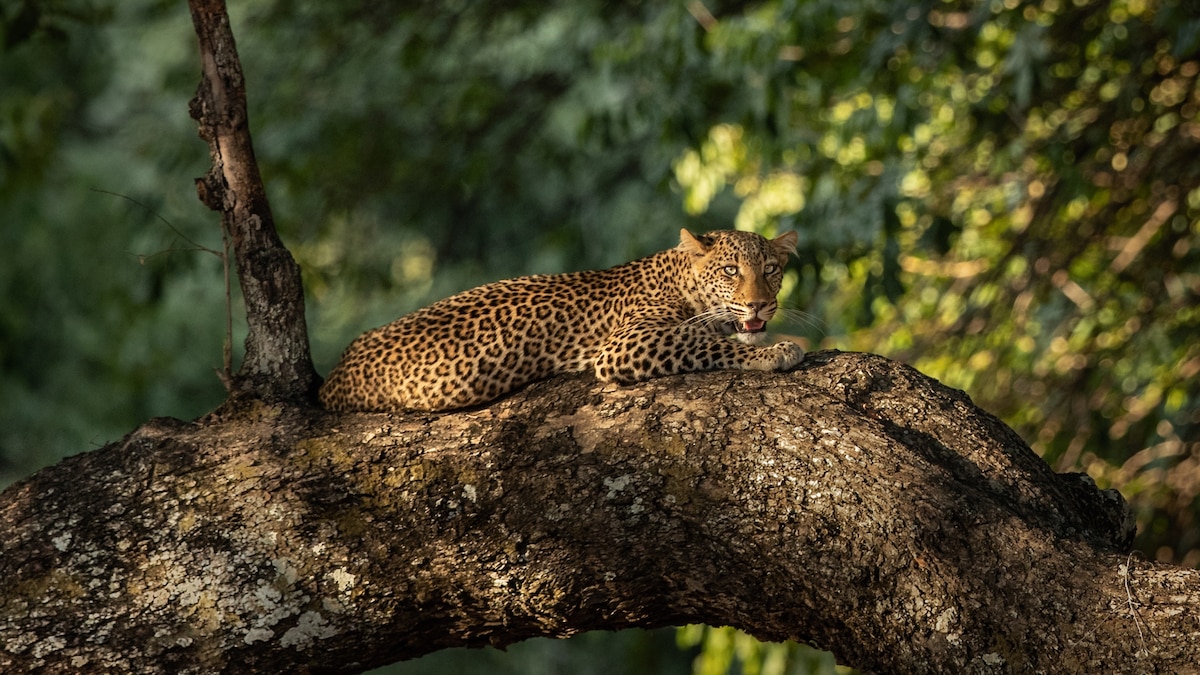
South Luangwa is a 9,050-square-kilometre park centred on the meandering Luangwa River and its oxbow lagoons. It's one of the greatest wildlife sanctuaries in Africa, supporting one of the densest concentrations of animals on the continent. The park is famous for its leopards—South Luangwa has one of the highest leopard densities in Africa, and sightings are remarkably regular, especially on night drives.
Walking safaris here are a rite of passage for serious safari enthusiasts. You'll walk with an armed guide and scout through the bush, reading tracks, identifying birds, learning about medicinal plants, and experiencing the thrill of encountering elephants, buffalo, and hippos on foot. Multi-day walking safaris, camping in different bush camps each night, are the ultimate Luangwa experience.
Beyond leopards, South Luangwa is home to healthy populations of lion, elephant, buffalo, hippo, crocodile, and the endemic Thornicroft's giraffe—found nowhere else in the world. Wild dog sightings are seasonal but possible, and the birdlife is extraordinary with over 400 species recorded.
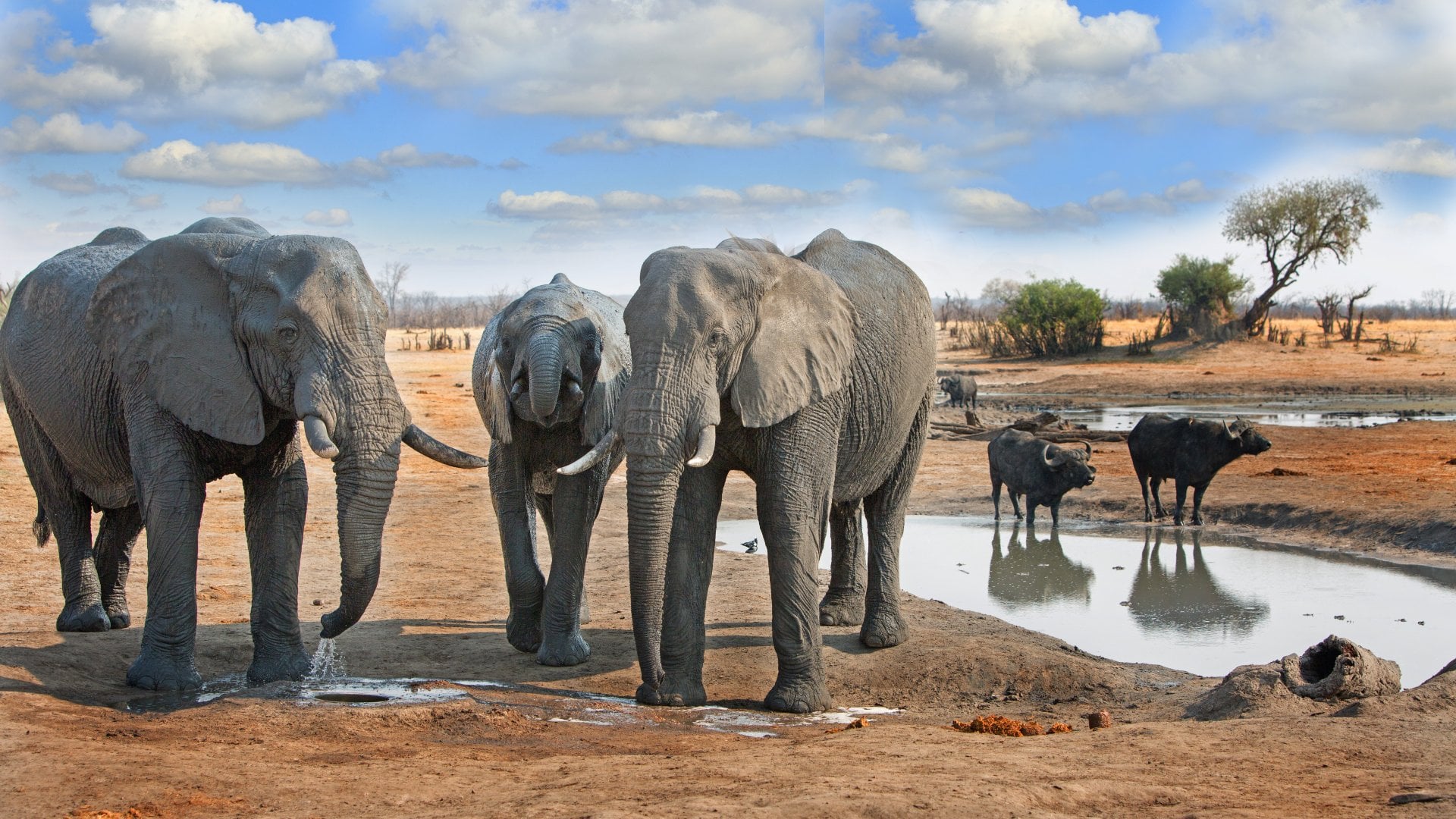
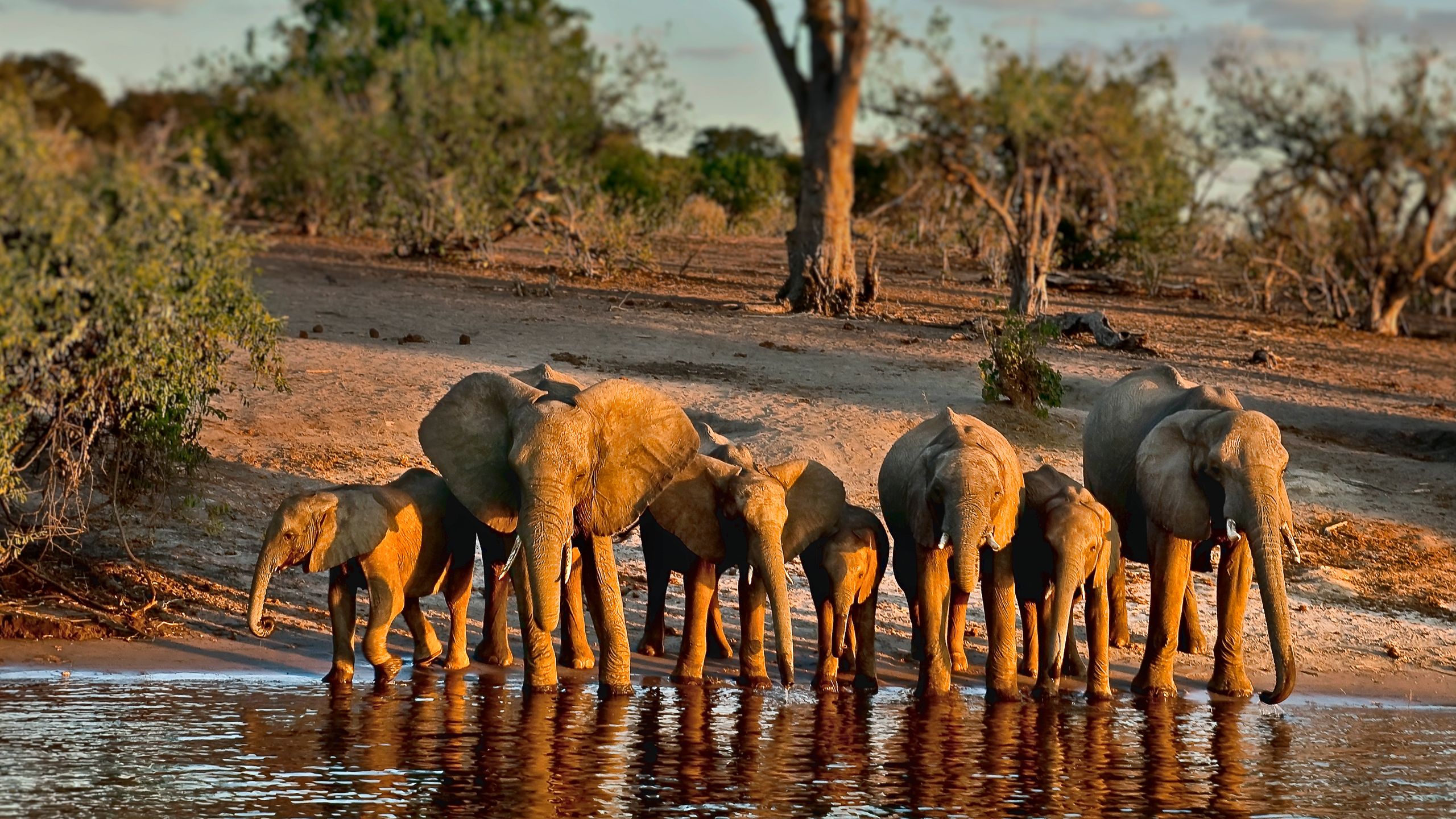
The Luangwa River itself is a lifeline. During the dry season, it's one of the few permanent water sources, drawing incredible concentrations of hippos (sometimes 50+ in a single pool), crocodiles, and a constant parade of animals coming to drink. River crossings at sunset, with hippos honking and elephants silhouetted against the sky, are among Africa's most photogenic moments.
Lower Zambezi National Park: Where River Meets Bush
The Lower Zambezi offers something unique in African safari: the ability to experience big game from the water. Set on the northern bank of the Zambezi River, opposite Zimbabwe's Mana Pools, this park combines traditional game drives with canoeing and boat safaris on the Zambezi.
Canoeing past elephants swimming across the river, hippos surfacing nearby, and crocodiles basking on sandbanks creates a multi-sensory safari experience that's utterly different from a vehicle-based safari. The silence of a canoe allows you to hear every bird call, every splash, every rustle in the riverine forest.
The park's game viewing from vehicles is excellent too. Lion, leopard, elephant, buffalo, and wild dog all inhabit the floodplain and surrounding woodland. Tiger fishing on the Zambezi is a popular activity between September and November, combining the thrill of catching one of Africa's most aggressive freshwater fish with the beauty of the riverine environment.
Kafue National Park: Zambia's Hidden Giant
Kafue is Zambia's largest national park and one of the biggest in Africa at 22,400 square kilometres—it's nearly the size of Belgium. Despite its size, Kafue receives a tiny fraction of the visitors that South Luangwa gets, making it one of Africa's best-kept safari secrets.
The Busanga Plains in northern Kafue are the highlight: a vast, seasonally flooded grassland that becomes an Eden of wildlife during the dry season. Herds of red lechwe, puku, and buffalo attract large prides of lions, and cheetah sightings are more reliable here than almost anywhere else in Zambia. The plains are only accessible from June to November.
Kafue's diversity of habitats—from miombo woodland to floodplains, rivers to kopjes—supports an incredible variety of wildlife. It's one of the best places in Africa to see sitatunga, an elusive semi-aquatic antelope, and the birdlife is phenomenal.
Victoria Falls: The Zambian Experience
Livingstone, Zambia's gateway to Victoria Falls, offers a more relaxed, less commercial alternative to the Zimbabwe side. The Zambian side of the falls provides a more intimate experience, with the famous Knife-Edge Bridge walk that takes you right into the spray zone during high water.
The Devil's Pool experience—swimming at the very edge of Victoria Falls during low water (September-December)—is only accessible from the Zambian side and is one of Africa's most iconic adventure activities. Livingstone also offers excellent Zambezi River activities including sunset cruises, white-water rafting, and jet-boating.
Many Zambia safari itineraries combine South Luangwa with Livingstone/Victoria Falls, creating a perfect balance of wildlife and wonder. Contact us to plan your Zambia safari adventure.
Planning Your Zambia Safari
The dry season (May-October) is prime safari time, with June-August offering comfortable temperatures and September-October providing the most intense game viewing. Most camps close during the rainy season, though a few remain open for green season birding and photography.
Zambia is best suited to mid-range and luxury travellers. There are limited budget options compared to South Africa or Kenya. Internal flights between parks are standard, with most travellers flying between Lusaka, South Luangwa, Lower Zambezi, and Livingstone rather than driving.
A classic 10-day Zambia itinerary might include: 3 nights South Luangwa (walking safaris and night drives), 3 nights Lower Zambezi (canoeing and game drives), and 2-3 nights Livingstone/Victoria Falls (falls viewing and activities). This captures the essence of Zambia's diverse safari offerings.