Kenya and South Africa are Africa's most visited safari countries. Compare the Masai Mara with Kruger, costs, wildlife, accessibility, and experiences to find your ideal destination.
Africa's Two Safari Superpowers Compared
Kenya and South Africa together receive more safari visitors than any other African countries. Both offer world-class wildlife experiences, but they deliver them in fundamentally different ways. Understanding these differences is key to choosing the destination that matches your travel style, budget, and expectations.
Wildlife Comparison
Kenya: The Masai Mara during the Great Migration (July-October) is arguably the most exciting wildlife spectacle in Africa. River crossings, predator hunts, and the sheer scale of the herds create unforgettable drama. Beyond the migration, Kenya's conservancies offer excellent year-round Big Five viewing with low vehicle density. The Mara is particularly famous for its cheetah and lion populations.
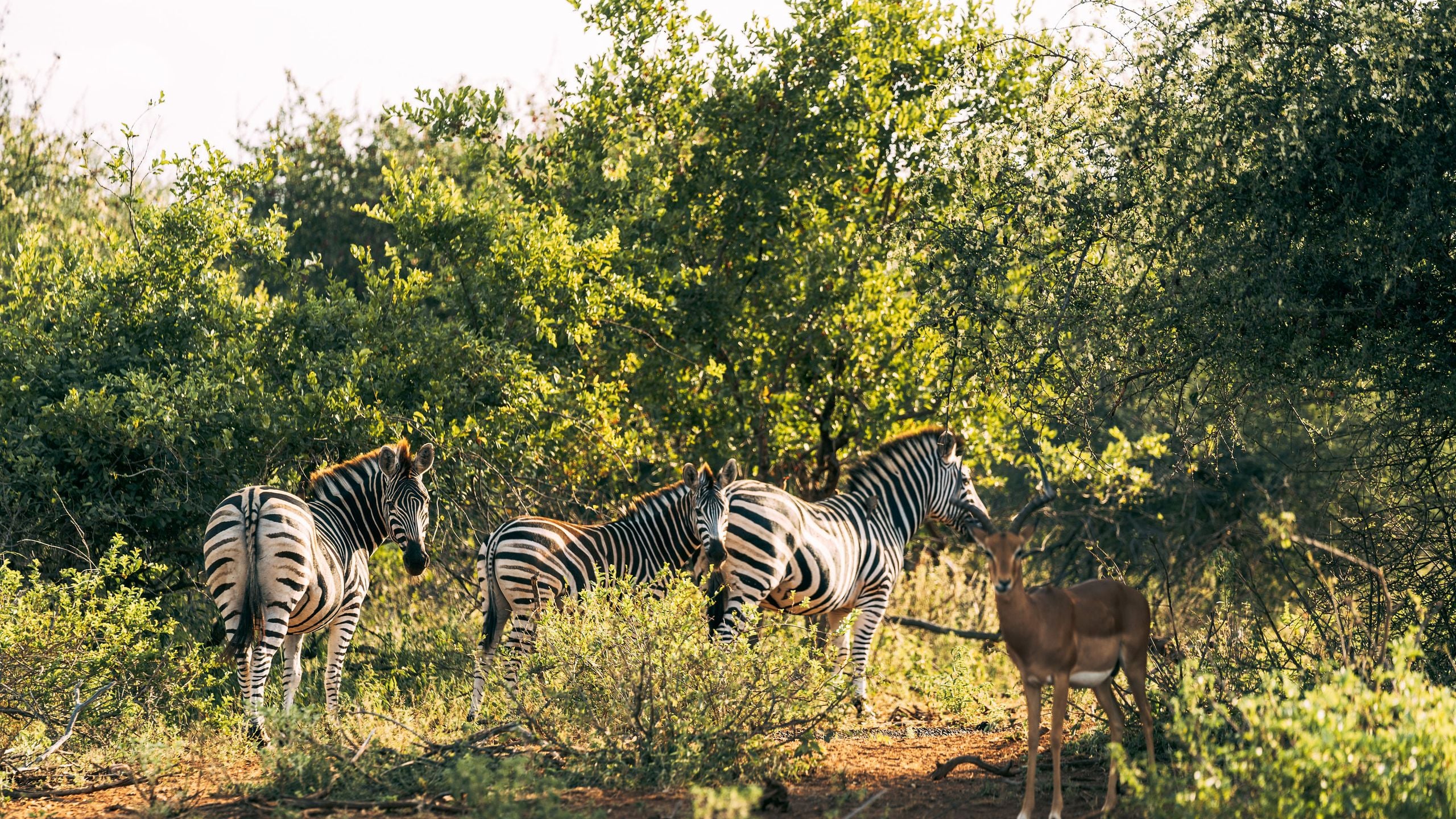
South Africa: Kruger National Park and the adjacent private reserves (Sabi Sands, Timbavati, Klaserie) offer the most consistent Big Five viewing in Africa. Leopard sightings in the Sabi Sands are virtually guaranteed—nowhere else in Africa offers such reliable leopard viewing. South Africa also offers unique marine wildlife (whale watching in Hermanus, Great White sharks, penguins in Cape Town).
Cost Comparison
South Africa: The clear winner for budget travellers. Kruger rest camps cost $30-80/night for self-catering accommodation. Self-drive eliminates guide costs. Park entry is $25/day. Even private reserves offer mid-range options from $350-600/night all-inclusive. The strong dollar/pound against the Rand provides excellent value.
Kenya: Generally pricier, especially for quality experiences. Mara conservancy fees alone are $70-120/person/day on top of accommodation. Quality lodges in the Mara start at $400-600/night. Budget camping safaris exist but are less comfortable than South African equivalents. Internal flights between parks add to costs.
Accessibility and Infrastructure
South Africa: Excellent roads, modern infrastructure, and Kruger is easily accessible by car from Johannesburg. No visa required for most Western nationalities. Some safari areas are malaria-free (Madikwe, Pilanesberg, Eastern Cape). English widely spoken. The Cape Winelands, Garden Route, and Cape Town offer outstanding non-safari experiences for a combined trip.
Kenya: More complex logistics, especially for multi-park itineraries. Internal flights are common and efficient. Visa/eTA required for most visitors. Malaria risk in all major safari areas. Infrastructure is developing rapidly but isn't at South Africa's level. However, the cultural experience—Maasai villages, Indian Ocean coast, Nairobi's food scene—is exceptional.
Safari Style
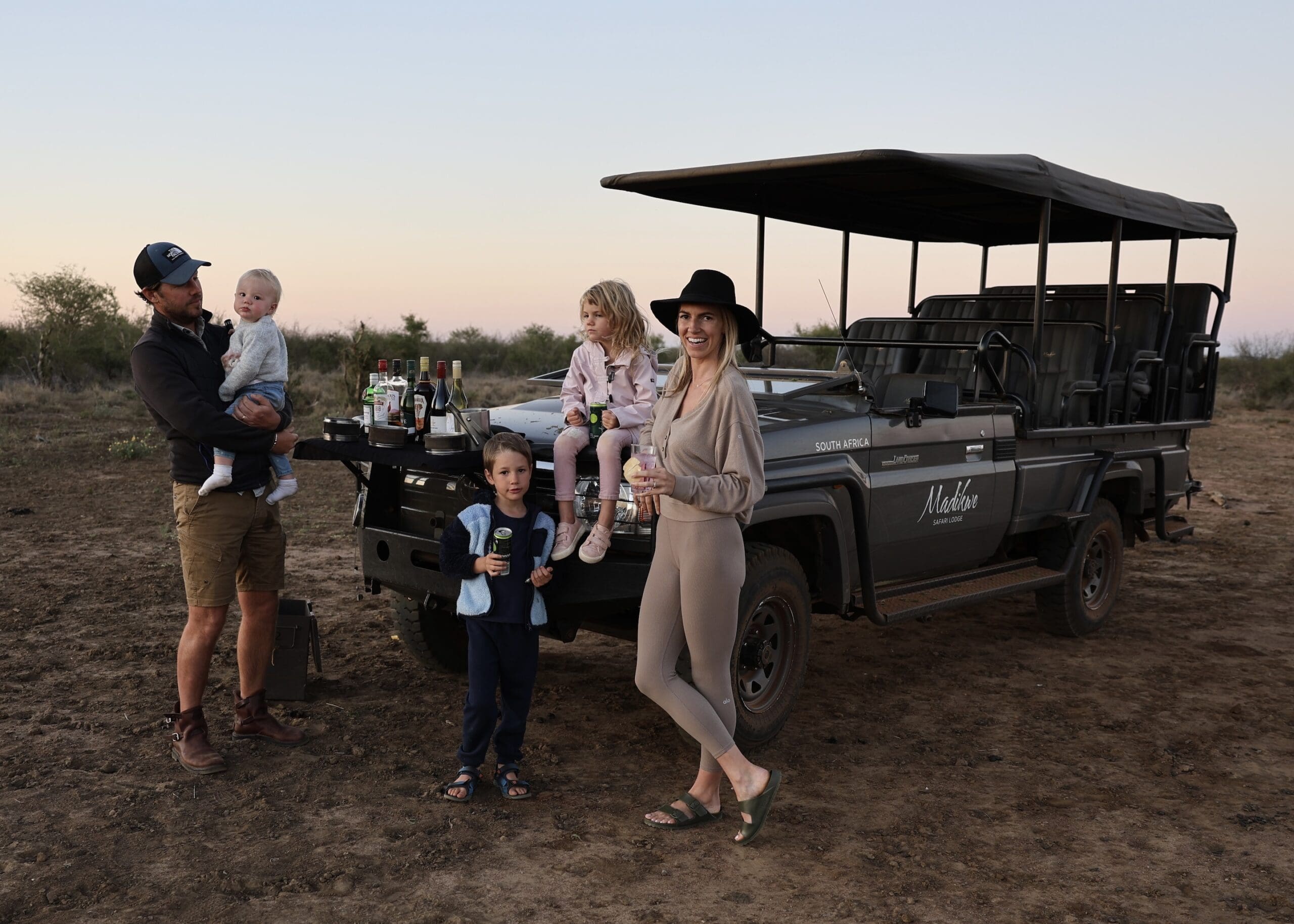
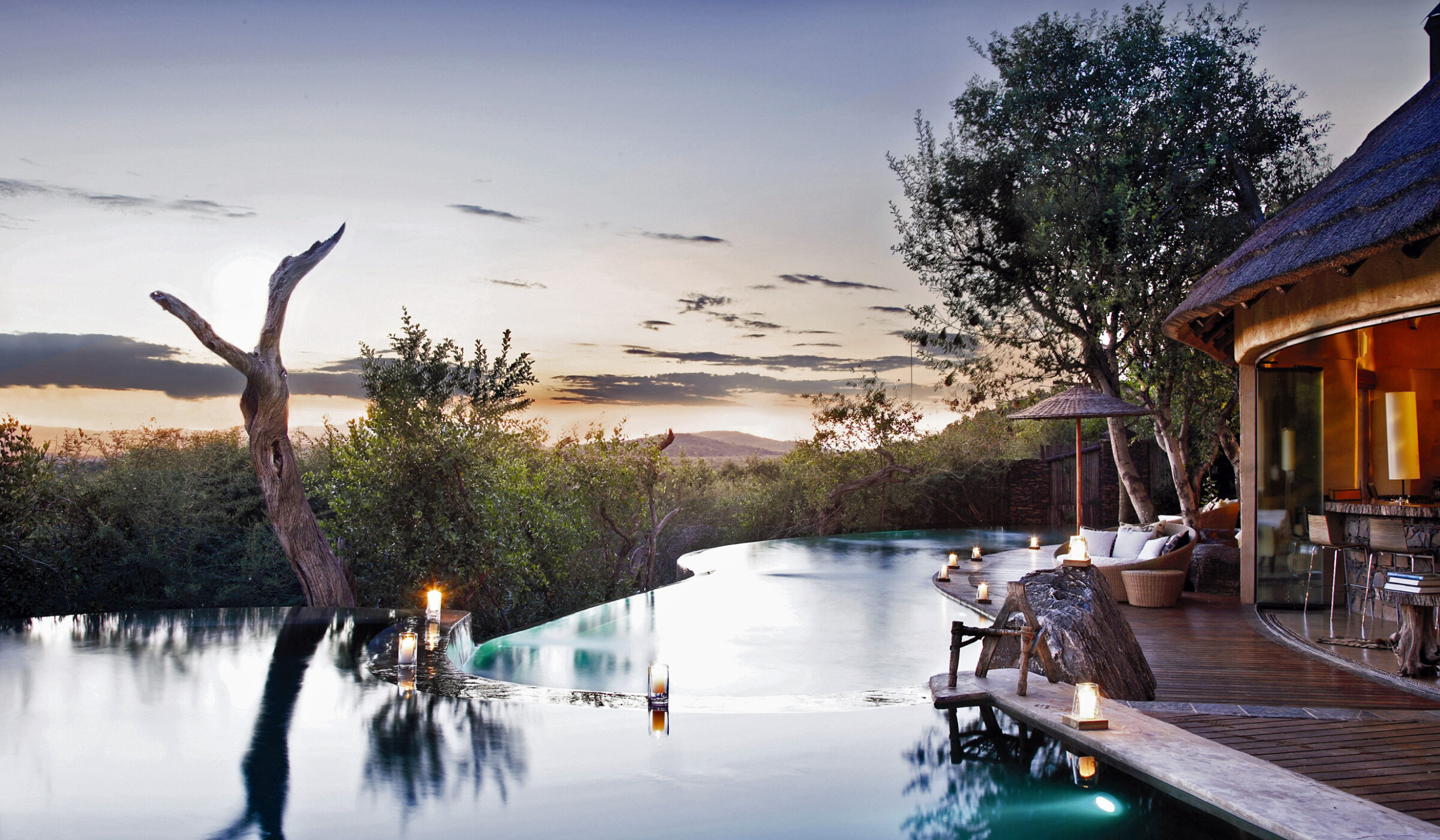
South Africa: Self-drive is a major feature (unique in Africa). Private reserves offer guided game drives in open Land Rovers with expert trackers. Walking safaris are available in some areas. The experience can range from completely independent (self-drive Kruger) to ultra-luxurious (Sabi Sands private lodges).
Kenya: Almost exclusively guided, with open-sided or pop-top vehicles providing excellent viewing and photography opportunities. Walking safaris are available in some conservancies. The cultural element—interactions with Maasai communities—adds a dimension that South Africa's parks generally lack. Hot air balloon safaris over the Mara are iconic.
The Verdict
Choose South Africa if: Budget is a priority, you want self-drive freedom, malaria-free options matter, you want to combine safari with Cape Town/Winelands, or leopards are your priority animal.
Choose Kenya if: The Great Migration is your dream, you want the "classic" African safari atmosphere, cultural encounters matter, you prefer guided experiences, or you're combining with Zanzibar/Indian Ocean beaches.
Can't decide? Many of our clients do South Africa first for its accessibility and value, then Kenya for the migration experience. Let us help you choose your perfect safari destination.