
Going on your first African safari? This comprehensive guide covers everything from choosing the right destination to what to wear, photography tips, and common mistakes to avoid.
Your First Safari: Everything You Need to Know
An African safari is likely to be the most exciting trip you'll ever take. The anticipation of your first game drive, the thrill of seeing an elephant up close, the sound of lions roaring at night—these are experiences that stay with you forever. But first-time safari-goers often have a thousand questions, and it can feel overwhelming.
This guide answers the 25 most important questions and shares the tips that will make your first safari unforgettable for all the right reasons.
1. Choose the Right Destination for Your Experience Level
Not all safari destinations are created equal for first-timers. South Africa's Kruger National Park is arguably the best first safari destination: excellent infrastructure, self-drive option, good value, malaria-free in some areas, and incredible wildlife density. Kenya and Tanzania offer the classic East African safari with the Great Migration, excellent lodges, and experienced guides. Botswana is premium but offers the most exclusive, uncrowded experience.
2. Budget More Than You Think
A common first-timer mistake is underbudgeting. Flights to Africa, internal transfers, park fees, gratuities, and extras add up. Budget $300-500/day per person for a comfortable mid-range safari, or $150-250/day for a budget experience. Luxury safaris start at $800+/day. Factor in travel insurance, vaccinations, and equipment (binoculars, camera) too.
3. Timing Matters Enormously
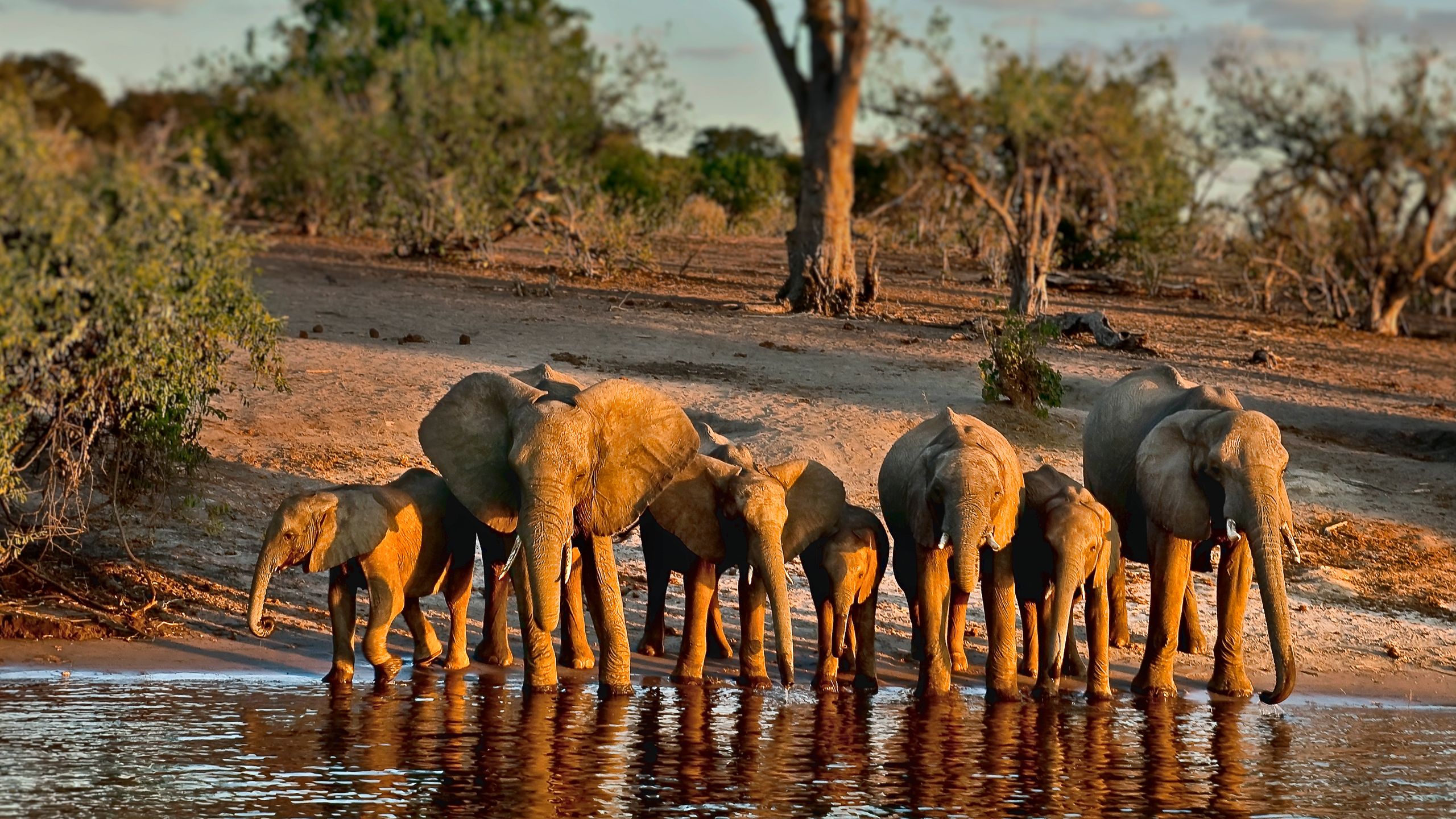
The difference between visiting in peak season versus green season can mean the difference between seeing 50 elephants at a waterhole and seeing an empty landscape. Generally, the dry season (June-October in most destinations) offers the best game viewing because animals concentrate around water. But green season has its own magic—baby animals, migratory birds, lush landscapes, and lower prices.
4-5. Pack Smart and Light
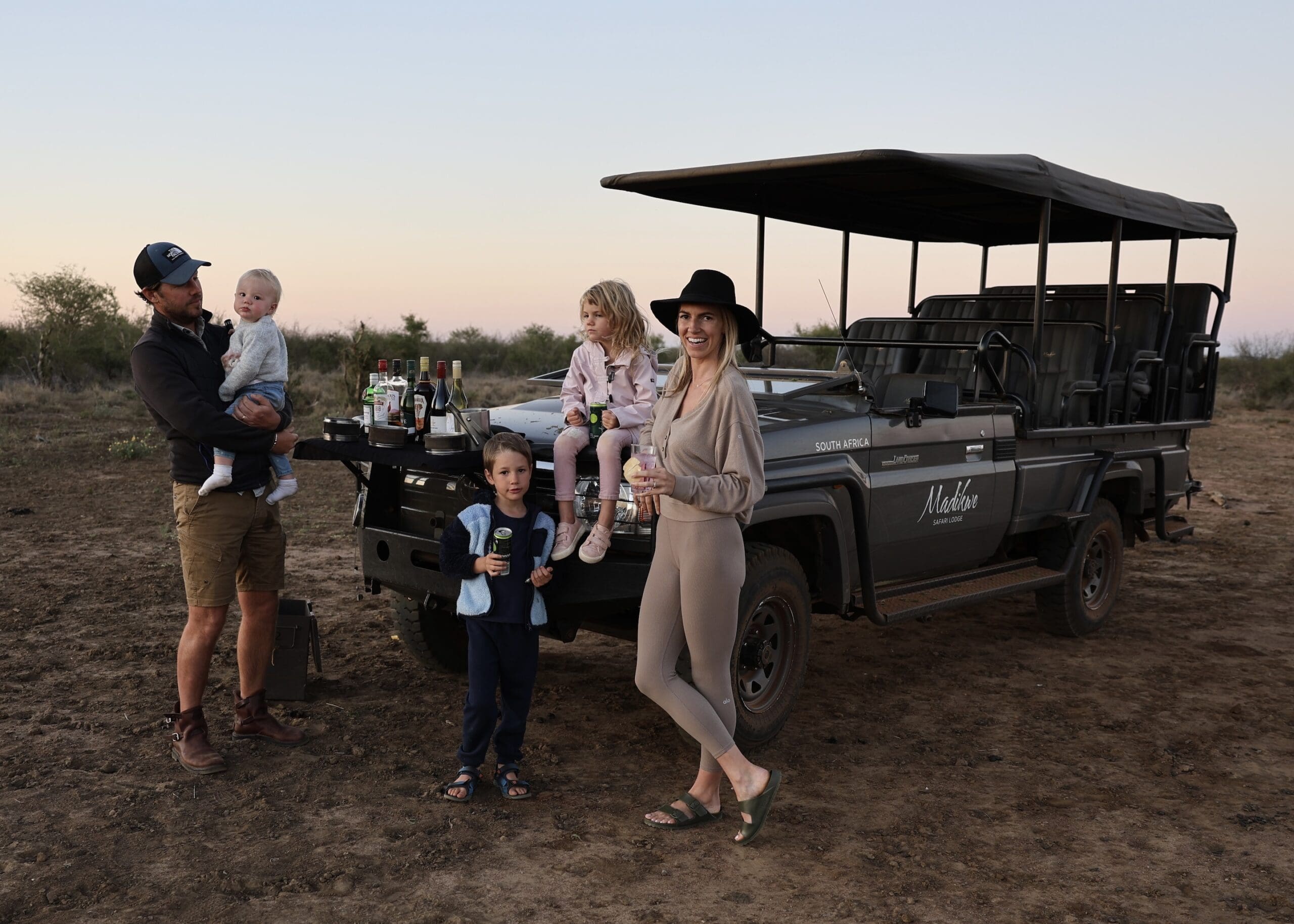
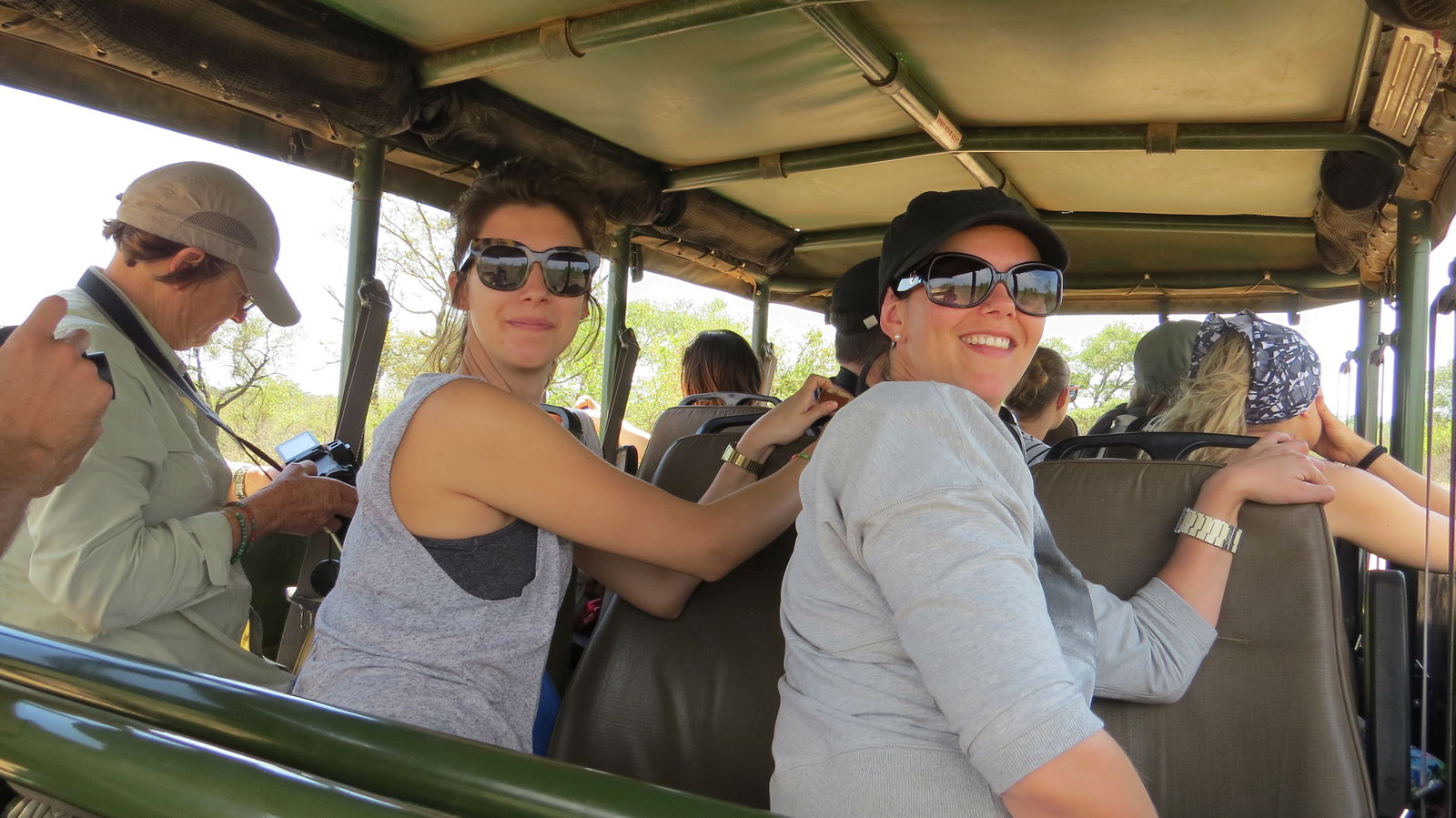
Wear neutral colours (khaki, olive, beige, brown) rather than bright colours or white. Layers are essential—mornings and evenings can be surprisingly cold, even in Africa. Bring a warm fleece or jacket for early morning game drives. A wide-brimmed hat, quality sunglasses, and SPF 50+ sunscreen are non-negotiable. For a complete packing checklist, see our Safari Packing List.
6-7. Manage Your Expectations (Then Prepare to Be Exceeded)
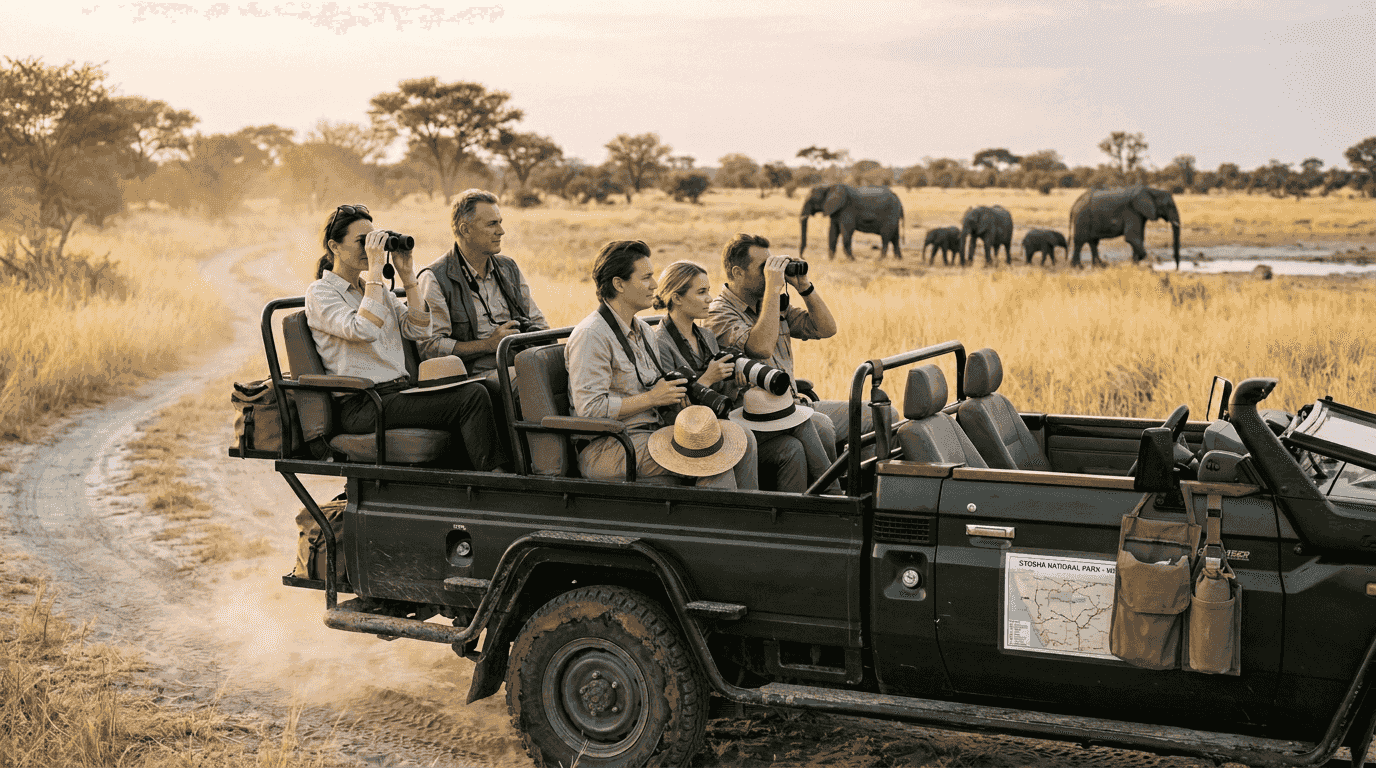
Safari isn't a zoo—animals roam freely across vast landscapes, and sightings are never guaranteed. You might see five leopards in a day, or none in a week. That unpredictability is what makes safari exciting. Trust your guide's expertise, be patient, and appreciate every sighting—from a tiny dung beetle to a massive elephant.
That said, modern safari lodges are incredibly skilled at finding wildlife. With experienced trackers, radio communication between vehicles, and intimate knowledge of animal territories, your chances of memorable sightings are excellent. Most first-timers are amazed by how much they see.
8-10. Photography Tips for Beginners
You don't need professional camera equipment. A modern smartphone with a good zoom produces amazing safari photos. If you do bring a camera, a 70-300mm zoom lens covers most situations. Bring extra batteries and memory cards—you'll take far more photos than you expect. Shoot in the golden hours (first and last light) for the best colours. And remember: put the camera down sometimes and just watch. The memory of your first lion sighting will last longer than any photograph.
11-15. Safari Etiquette Essentials
Stay in the vehicle unless told otherwise by your guide. Keep voices low near wildlife—you'll see more if you're quiet. Don't stand up in open vehicles without permission. Never feed wildlife. Follow your guide's instructions about distance from animals—they know exactly how close is safe. Dress appropriately (avoid bright colours that can disturb animals). Tip your guide and camp staff—they work incredibly hard to create your experience.
16-20. Health and Safety
Visit a travel doctor 6-8 weeks before departure for vaccinations and malaria medication. Take your anti-malarial medication as prescribed. Drink plenty of water—the African sun dehydrates you faster than you expect. Apply insect repellent at dusk and dawn. Use sunscreen generously. For detailed health preparation, see our Safari Health Guide.
21-25. Making the Most of Your First Safari
Keep a wildlife journal or list—it adds purpose to your game drives and creates a wonderful souvenir. Learn some basic animal identification before you go. Ask your guide questions—they're usually passionate about sharing their knowledge. Try a night drive if available—the bush transforms after dark. And if possible, add a walking safari element—experiencing the bush on foot is a completely different, more intimate experience.
Your first safari will exceed every expectation. The sights, sounds, smells, and emotions of the African bush create memories that last a lifetime. Let Simba Beyond Africa Safaris design your perfect first safari experience.