
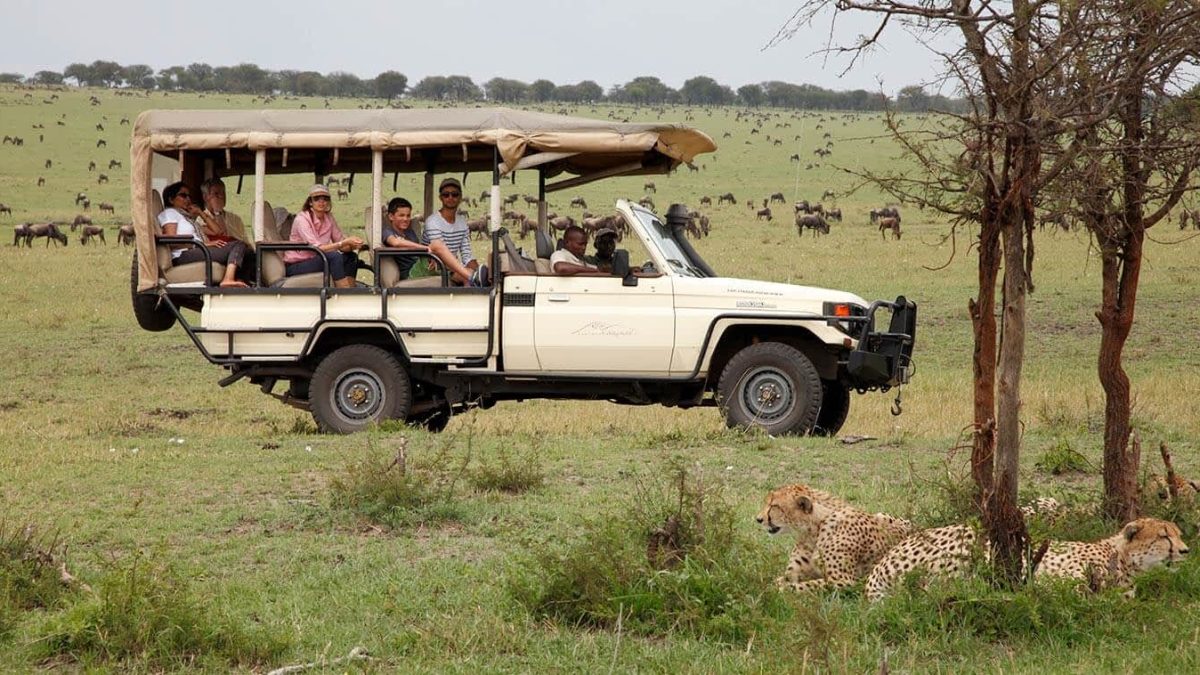
From smartphones to professional DSLRs, this guide covers the best cameras, lenses, and accessories for safari photography at every budget level.
Safari Photography Gear for Every Level
The best safari camera is the one you have with you. Seriously. While professional wildlife photographers travel with $20,000 worth of gear, some of the most memorable safari photos are taken on smartphones. The light in Africa is extraordinary, the subjects are incredible, and modern technology has made great wildlife photography accessible to everyone.
That said, the right gear can dramatically improve your results. This guide covers recommendations at every budget level, from smartphone to professional.
Smartphone Safari Photography
Modern flagship smartphones (iPhone Pro, Samsung Galaxy Ultra, Google Pixel) have remarkably capable cameras. The latest models offer 3-10x optical zoom, which is sufficient for close-range wildlife shots. Smartphone advantages: always ready, lightweight, easy to share. Tips: use burst mode for action shots, tap to focus on the animal's eye, shoot in the golden hours for best colour, and use a phone mount on the vehicle for stability.
Entry-Level: Superzoom Compact ($300-800)
Cameras like the Nikon Coolpix P1000 (125x zoom!), Canon PowerShot SX740, or Sony RX10 IV offer incredible zoom ranges in a compact body. Perfect for safari visitors who want better reach than a smartphone without the complexity of interchangeable lenses. The P1000's 3000mm equivalent zoom can photograph the moon — a bird at 200 metres is no problem.
Mid-Range: Mirrorless with Zoom ($1,500-4,000)
A mirrorless camera body (Sony A7C, Canon R6 II, Nikon Z6 III) with a 100-400mm zoom lens is the sweet spot for serious safari photography. Benefits include excellent image quality, fast autofocus, weather sealing, and enough reach for most wildlife. Weight is manageable for travel. This is what we recommend for most safari photography enthusiasts.
Professional: DSLR/Mirrorless with Super-Telephoto ($5,000-15,000+)
Professional setups include bodies like the Sony A1, Canon R5, or Nikon Z8 paired with fast super-telephoto lenses (200-600mm, 100-500mm, or prime 400/600mm). These deliver the magazine-quality images but require commitment: heavy, expensive, and demanding of skill. Essential for serious bird photography and portfolio-quality work.
Essential Accessories
Extra batteries (cold mornings and extensive shooting drain them), large memory cards (shoot more than you think), lens cleaning cloth (dust is constant), bean bag for vehicle stability, waterproof bag or dry sack for dust and rain protection, and a good camera strap. Binoculars are also essential — 8x42 or 10x42 are ideal for safari.
Remember: the best photographers on safari spend less time behind the lens than you'd expect. Watch with your eyes first, absorb the moment, then photograph. Join us for a photography-focused safari.