
An African safari isn't just about wildlife — it's about connecting with Africa's incredible cultures. From Maasai warriors to San Bushmen, Zulu dancers to Ethiopian tribes, these cultural encounters add depth and meaning to every safari.
The animals are unforgettable. But the people of Africa — their stories, traditions, and warmth — are what transform a safari from a wildlife tour into a life-changing journey. Africa is home to over 3,000 distinct ethnic groups, each with unique languages, customs, and traditions that have survived millennia.
The Most Authentic Cultural Experiences
Maasai of Kenya & Tanzania
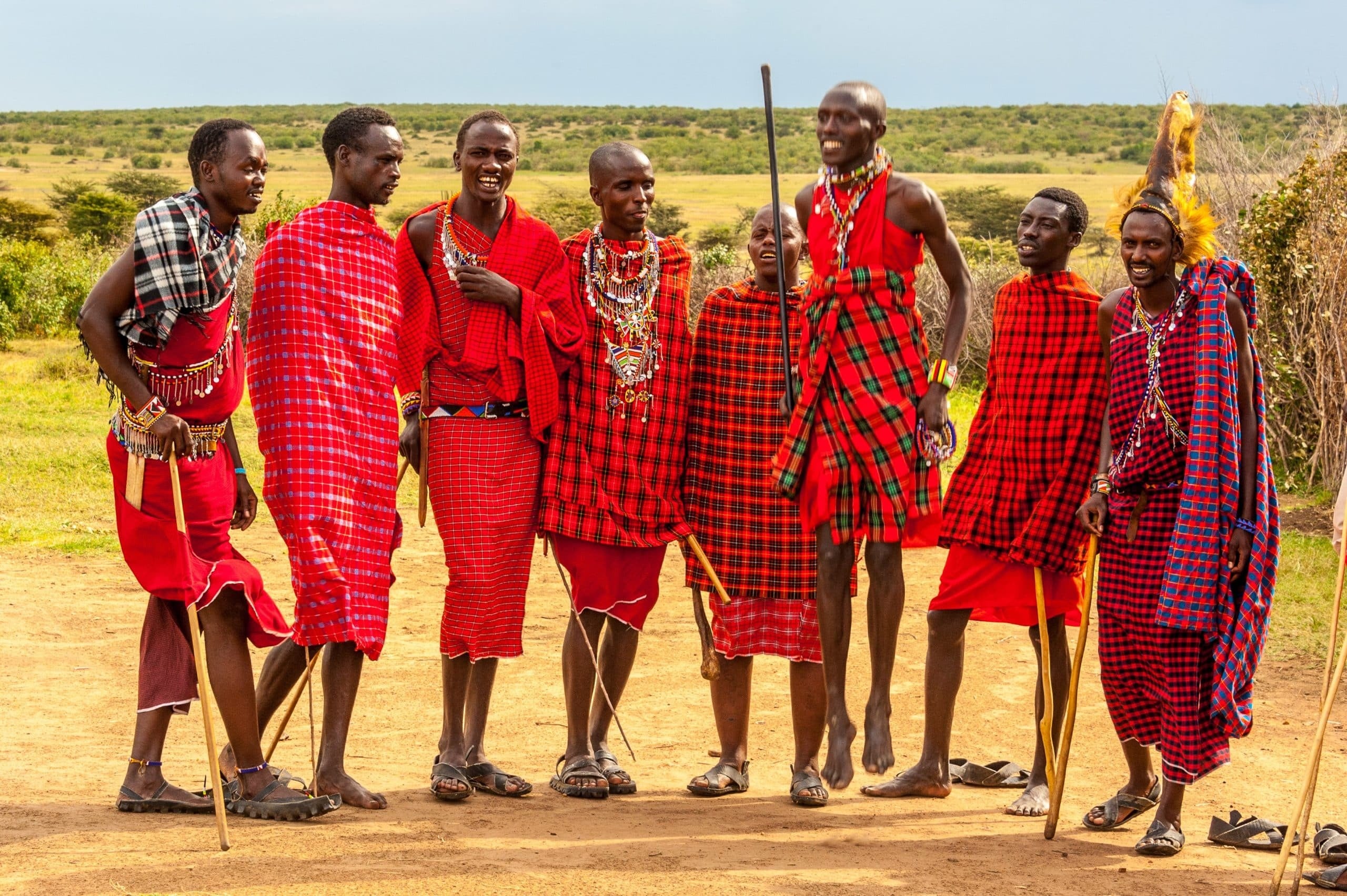
The Maasai are perhaps Africa's most iconic people — tall, proud warriors draped in red shuka cloth, living in semi-nomadic communities alongside the wildlife of the Serengeti and Masai Mara.
What you'll experience:
- •Traditional jumping dance (adumu) — warriors leap vertically in competition
- •Village visit to a manyatta (compound of mud-and-dung houses)
- •Cattle herding demonstration — cattle are central to Maasai life
- •Beadwork workshop — learn the meaning behind color patterns
- •Fire-making with sticks and dry grass
- •Stories and songs around the campfire
Where: Kenya (Masai Mara conservancies), Tanzania (Ngorongoro area)
Best time: Year-round
Tip: Stay at community-owned conservancies where tourism revenue directly benefits Maasai families
San Bushmen of Botswana & Namibia
The San are the world's oldest indigenous people, with a continuous cultural lineage stretching back over 100,000 years. Their tracking skills, plant knowledge, and click-language are windows into humanity's deepest past.
What you'll experience:
- •Bush walk with San trackers — learn to read animal tracks and find water
- •Medicinal plant identification
- •Traditional hunting techniques (demonstration only)
- •Click-language lessons
- •Rock art viewing (some sites are 20,000+ years old)
- •Storytelling under the stars
Where: Kalahari (Botswana), Makgadikgadi Pans, Damaraland (Namibia)
Best operators: Jack's Camp, Uncharted Africa
Zulu of South Africa
The Zulu are South Africa's largest ethnic group, with a warrior history that shaped the nation. Zulu cultural experiences offer a powerful introduction to the rhythms, dances, and traditions of this proud people.
What you'll experience:
- •Zulu dance performance — dramatic, rhythmic, powerful
- •Traditional beer brewing (umqombothi)
- •Beadwork and weaving workshops
- •Isangoma (traditional healer) consultation
- •Storytelling of the great Zulu kings (Shaka, Cetshwayo)
- •Traditional Zulu feast (braai/potjiekos)
Where: KwaZulu-Natal (near Durban), Shakaland, PheZulu Safari Park
Best time: Year-round (indoor and outdoor experiences)
Himba of Namibia
The Himba are one of the last semi-nomadic peoples in Africa, living in the remote Kunene region of northern Namibia. Their striking red-ochre skin coating and intricate hairstyles make them instantly recognizable.
What you'll experience:
- •Visit to a Himba homestead
- •Learn about the otjize paste (red ochre mixed with butter fat)
- •Understanding the hairstyle system (which indicates marital status and age)
- •Daily life demonstrations
- •Photography opportunities (with respectful permission)
Where: Kunene Region, near Opuwo, northern Namibia
Tip: Always visit with a cultural guide who has an existing relationship with the community
How to Ensure Ethical Cultural Tourism
- Choose community-owned — Revenue should go directly to the community
- Ask before photographing — Always get permission, especially for close-ups
- Listen more than you talk — These are learning opportunities
- Buy directly from artisans — Beadwork, carvings, and crafts directly support families
- Respect sacred spaces — Some areas or ceremonies may be off-limits
- Tip appropriately — $5–$10 per person is standard for village visits
- Don't treat people as exhibits — Engage as you would with any new acquaintance
Ready to add cultural depth to your safari? Let our team design a culturally rich itinerary that connects you with Africa's most extraordinary people.