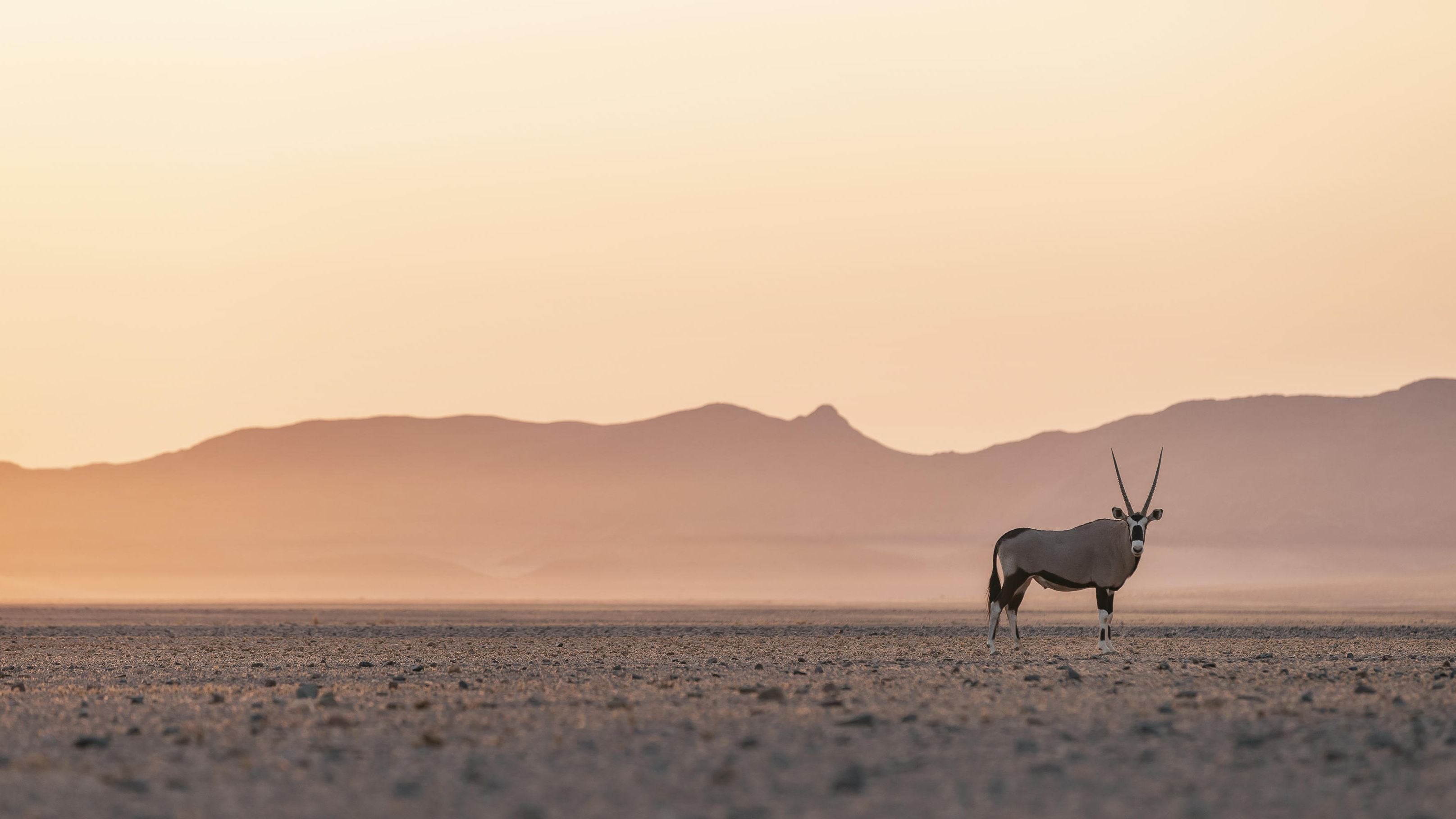
Namibia offers Africa's most otherworldly safari experience — vast deserts, towering dunes, skeleton coast shipwrecks, and desert-adapted elephants. This guide covers Etosha, Sossusvlei, Damaraland, and everything you need to plan your Namibia safari.
Namibia is unlike any other safari destination on Earth. Where else can you climb the world's tallest sand dunes at sunrise, track desert-adapted elephants through ancient riverbeds, and spot lions hunting on the fog-shrouded Skeleton Coast — all in a single trip?
Why Namibia? The Photographer's Paradise
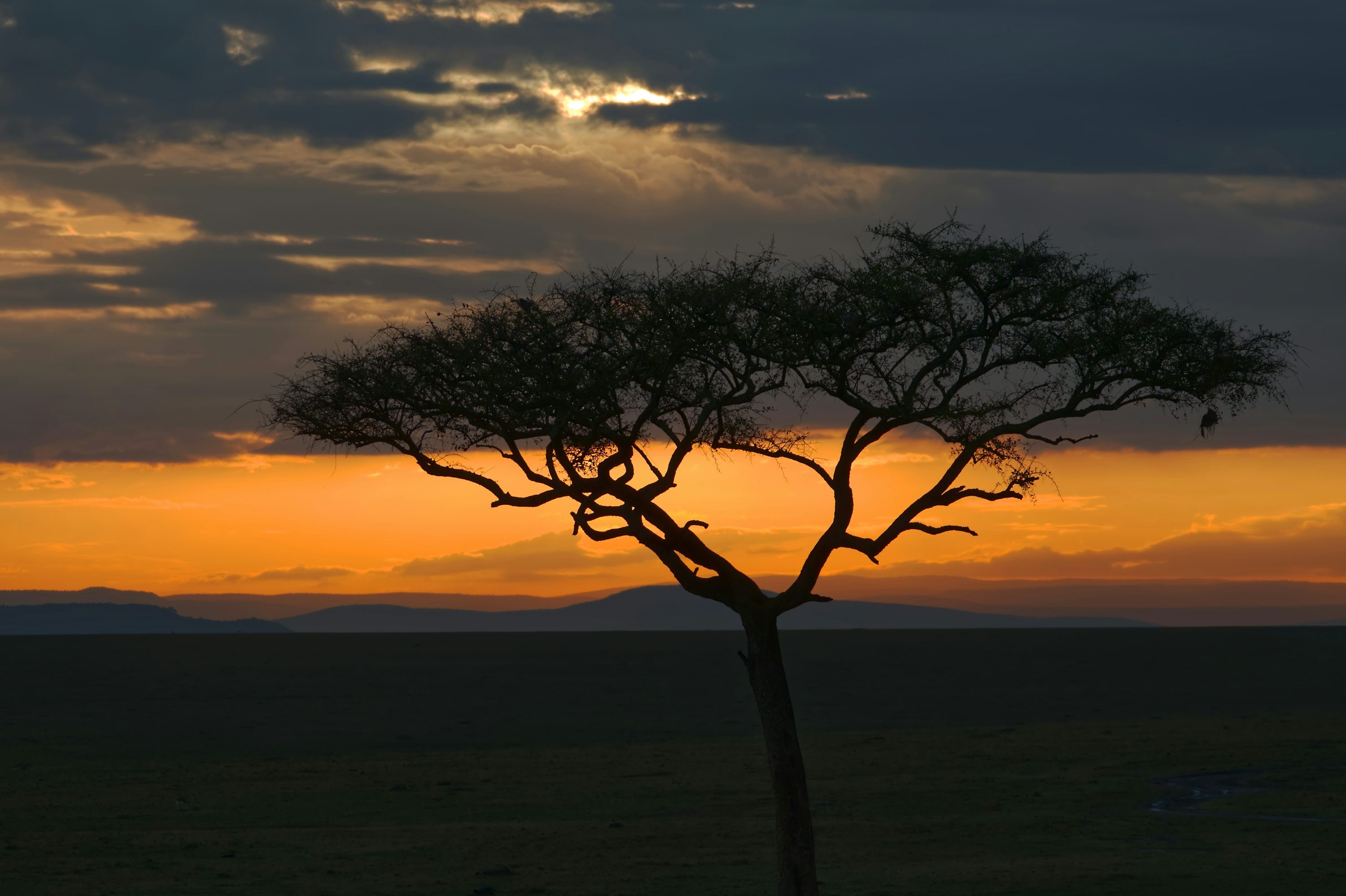
Namibia is Africa's most photogenic country, hands down. The landscapes are so surreal they look computer-generated: burnt-orange dunes against blue skies, dead trees in white clay pans, shipwrecks rusting on endless beaches, and starry skies unmarred by light pollution.
What makes Namibia exceptional:
- •Sossusvlei — the world's tallest sand dunes (up to 325 meters)
- •Etosha National Park — one of Africa's premier game reserves
- •Damaraland — desert-adapted elephants and black rhino
- •The Skeleton Coast — one of the most remote and wild coastlines on Earth
- •Africa's best self-drive safari destination
- •One of the darkest skies on Earth for stargazing
Best Safari Areas in Namibia
Etosha National Park — Namibia's Wildlife Crown
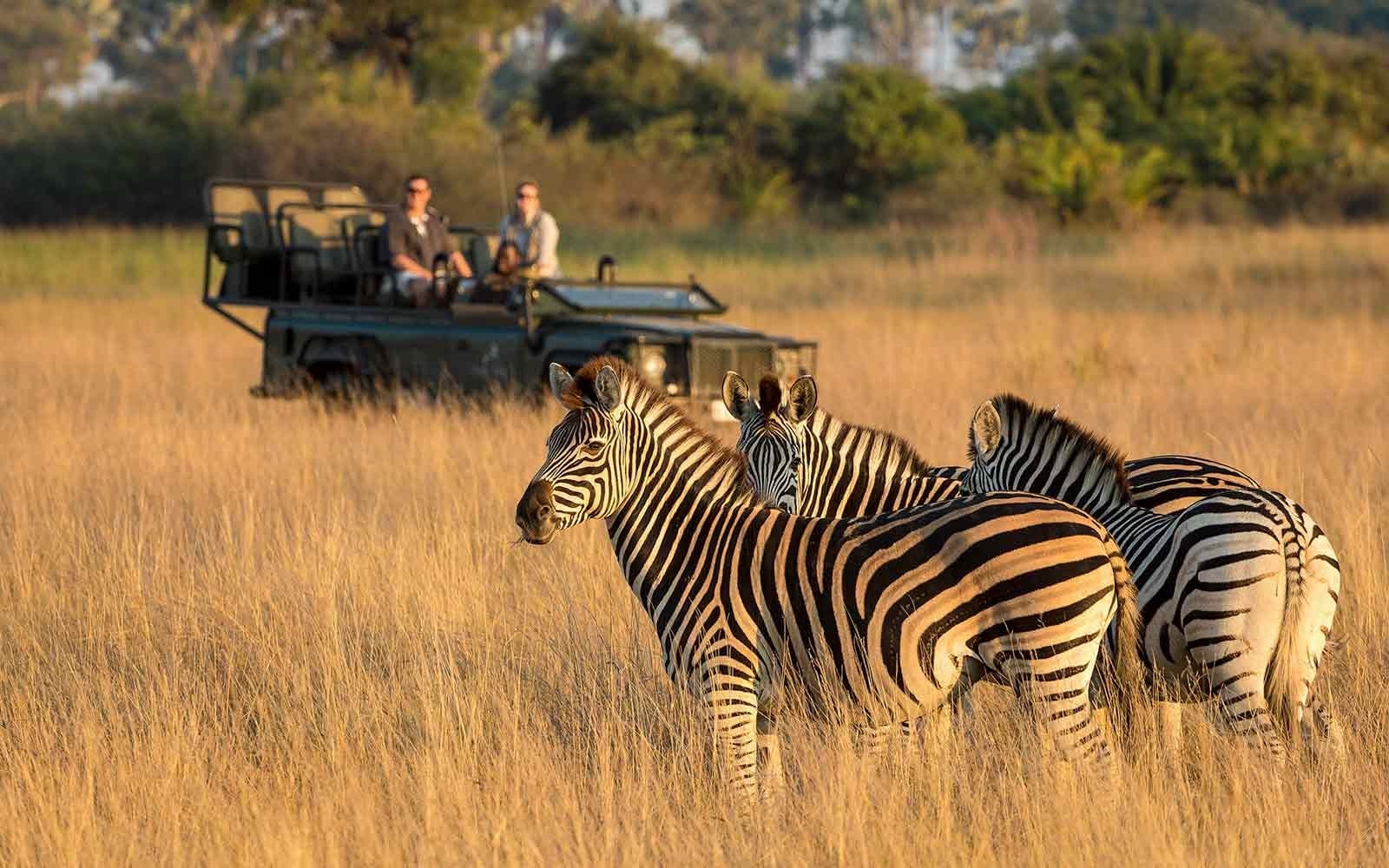
Etosha is Namibia's answer to the Serengeti, centered around a vast salt pan visible from space. The park's floodlit waterholes make it one of the easiest places in Africa to see wildlife, as animals come to drink throughout the day and night.
What to expect:
- •Lion, elephant, leopard, black and white rhino, cheetah
- •Floodlit waterholes at rest camps (Okaukuejo, Halali) — watch animals drink at night from your accommodation
- •Endemic species including the black-faced impala
- •Massive salt pan landscapes
- •Self-drive friendly with excellent rest camps
Best lodges: Onguma The Fort, Etosha Safari Lodge, Little Ongava, Mushara Outpost
Sossusvlei & Namib Desert — The Red Dunes
No trip to Namibia is complete without witnessing Sossusvlei. These 5-million-year-old dunes are the highest in the world, and the contrast of red sand, blue sky, and white clay is simply mesmerizing.
Must-do experiences:
- •Climb Big Daddy (325 m) or Dune 45 at sunrise
- •Photograph Deadvlei — the iconic white clay pan with 900-year-old dead camelthorn trees
- •Hot air balloon flight over the Namib Desert
- •Quad biking in the dune fields
- •Stargazing from NamibRand Nature Reserve (Africa's first International Dark Sky Reserve)
Best lodges: &Beyond Sossusvlei Desert Lodge, Little Kulala, Sesriem Camp, Wolwedans
Damaraland — Desert-Adapted Giants
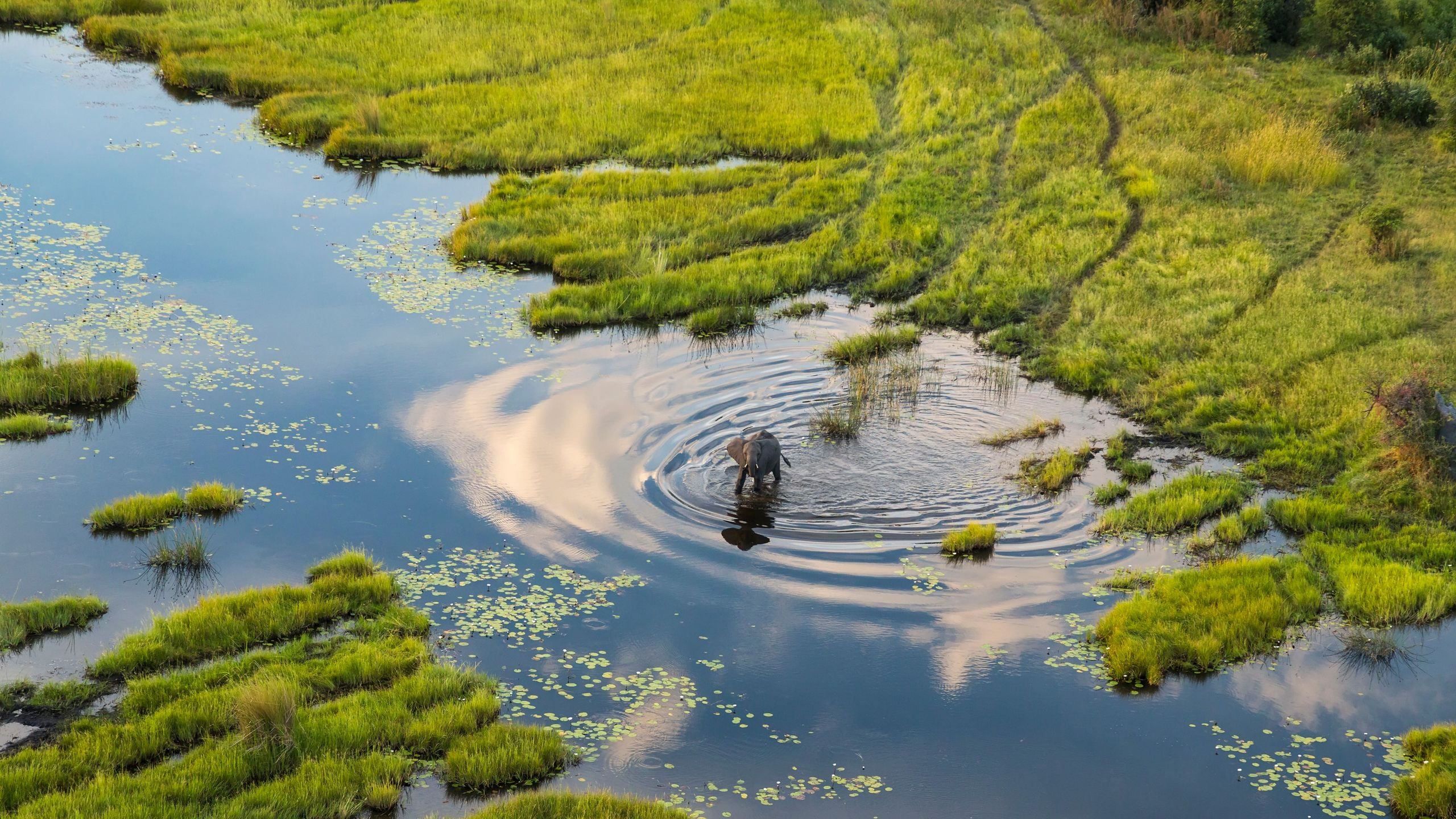
Damaraland is a raw, rugged landscape where desert-adapted elephants and black rhino survive in one of the harshest environments on Earth. Tracking these animals on foot with experienced guides is one of Africa's most unique safari experiences.
What to expect:
- •Desert-adapted elephant tracking on foot
- •Desert-adapted black rhino tracking with Save the Rhino Trust
- •Ancient San rock engravings at Twyfelfontein (UNESCO World Heritage Site)
- •The petrified forest — 260-million-year-old fossilized tree trunks
- •Welwitschia plants — living fossils up to 2,000 years old
Best lodges: Damaraland Camp, Mowani Mountain Camp, Desert Rhino Camp
The Skeleton Coast — Africa's Last Frontier
The Skeleton Coast is one of the most remote and mysterious places on Earth. Named for the whale bones and shipwrecks that litter its foggy shores, this is a place of haunting beauty.
What to expect:
- •Shipwreck ruins on endless beaches
- •Cape Cross seal colony (100,000+ seals)
- •Desert lions and brown hyena
- •Fog-shrouded landscapes
- •Fly-in safari camps in complete isolation
Namibia Safari Costs
| Category | Price Per Night | Notes |
|---|---|---|
| Budget self-drive | $100–$200 | National park rest camps, self-catering |
| Mid-range | $200–$500 | Lodges with game drives, full board |
| Luxury | $500–$1,200 | All-inclusive, guided activities |
| Ultra-luxury fly-in | $1,200–$2,500 | Skeleton Coast camps, charter flights |
Self-drive costs: A 4x4 rental runs $80–$150/day. Fuel is affordable. Total self-drive budget for 2 weeks: approximately $3,000–$5,000 per person.
Best Time to Visit Namibia
Dry Season (May–October) — Peak Wildlife
- ✓Best game viewing in Etosha (animals at waterholes)
- ✓Pleasant temperatures (cool winters, 20–25°C days)
- ✓Clear skies for photography
- ✗Can be cold at night (near freezing in June–July)
Green Season (November–April) — Landscapes & Birding
- ✓Lush green landscapes transform the desert
- ✓Migratory birds arrive (flamingos in Etosha)
- ✓Baby animals (springbok, oryx, zebra)
- ✓Lower prices
- ✗Some roads may be impassable after heavy rain
- ✗Wildlife more dispersed
Classic Namibia Self-Drive Itinerary (14 Days)
- •Days 1–2: Windhoek → Sossusvlei (dunes, Deadvlei, stargazing)
- •Days 3–4: Swakopmund (adventure capital — quad biking, skydiving, dolphin cruise)
- •Day 5: Skeleton Coast (Cape Cross seals, shipwrecks)
- •Days 6–7: Damaraland (desert elephants, Twyfelfontein)
- •Days 8–11: Etosha National Park (3 camps, 4 days of game drives)
- •Days 12–13: Waterberg Plateau or Okonjima (AfriCat Foundation)
- •Day 14: Return to Windhoek
- •From $3,000 per person self-drive mid-range
Ready to explore Namibia's otherworldly landscapes? Contact our safari experts to plan your Namibia adventure, or browse our Southern Africa packages.