
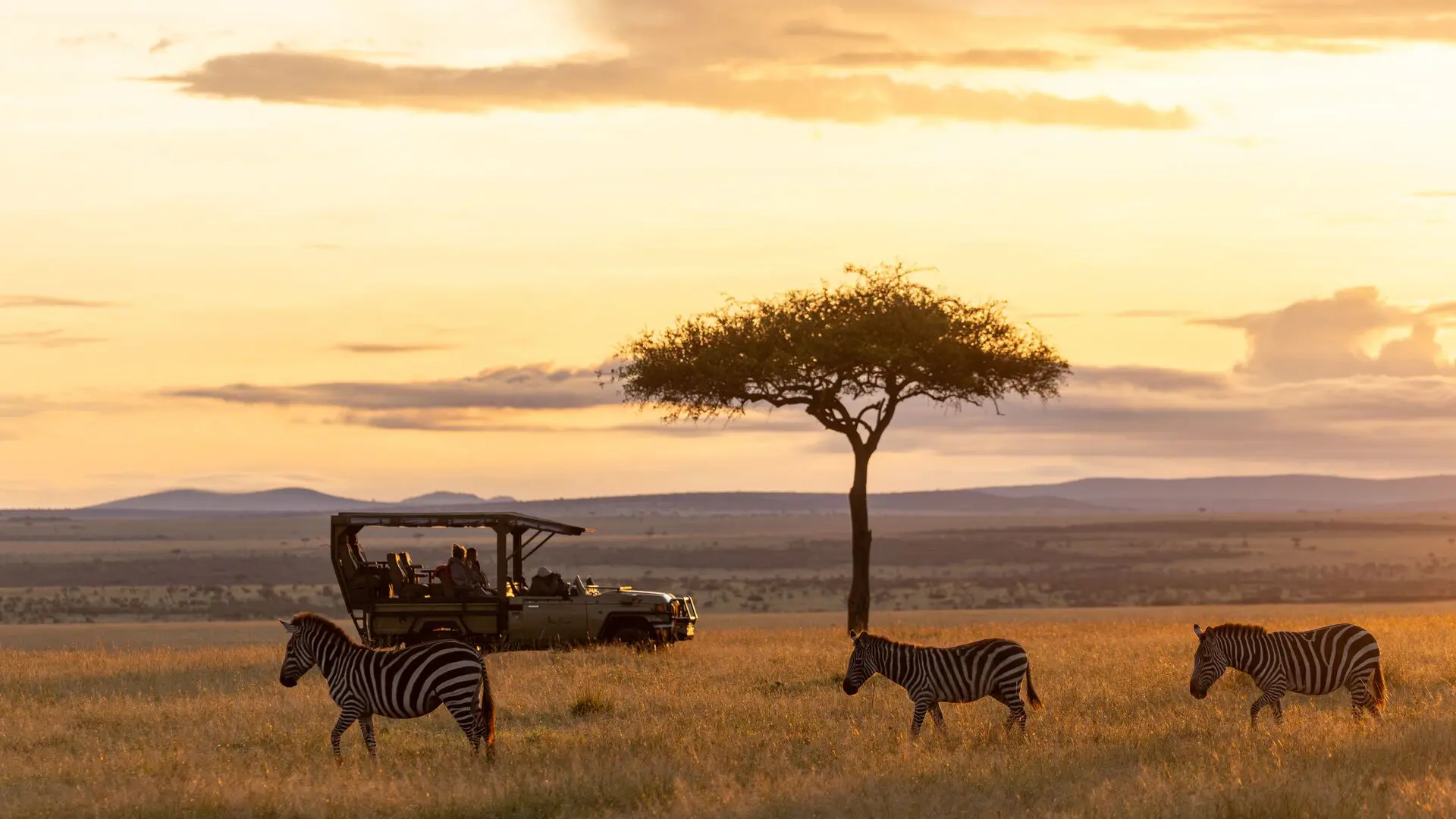
The shoulder season (May-June and October-November) offers the sweet spot between peak wildlife viewing and green season deals. Learn how to get premium safaris at mid-range prices.
The Smart Traveller's Secret: Shoulder Season Safari
If peak season is the main event and green season is the hidden gem, then shoulder season is the savvy traveller's sweet spot. These transitional weeks between wet and dry offer many of the benefits of peak season—good game viewing, comfortable weather, accessible roads—combined with lower prices and significantly fewer visitors.
Shoulder season typically falls in May-June (transition from wet to dry) and October-November (transition from dry to wet) in Southern Africa, with slight variations in East Africa. Understanding these windows can save you thousands while delivering an exceptional safari experience.
May-June: The Early Dry Season Advantage
As the rains end and the landscape begins its transformation from green to gold, wildlife viewing improves rapidly. Water sources start to shrink, concentrating animals around remaining pools and rivers. The bush is still relatively green, creating beautiful photography opportunities with animals against a backdrop of warm autumn colours.
Temperatures are pleasant—warm days and cool nights without the extreme heat of October. This is one of the most comfortable periods for safari, particularly for travellers who struggle with heat. Mosquitoes decline rapidly as breeding sites dry up, and malaria risk drops accordingly.
Prices in May-June are typically 15-25% below peak July-September rates. Many lodges offer generous specials during this period, including complimentary nights, spa treatments, or activity upgrades. It's also much easier to secure availability at popular camps that sell out during peak season.
October-November: The Dramatic Transition
October is when the dry season reaches its peak—waterholes are at their lowest, vegetation is sparse, and wildlife concentrations at water are at their most dramatic. It's also the hottest month in most safari areas, with temperatures regularly exceeding 35°C. This heat drives animals to water more frequently, creating extraordinary game viewing.
As November approaches, the first rains transform the landscape almost overnight. Animals respond immediately—migratory species begin moving, birds arrive in spectacular numbers, and the first baby impala and other antelope appear. The transition from dry to green is one of Africa's most dramatic natural spectacles.
Late October and early November offer a unique combination: lingering dry-season game concentrations with the early greening of the landscape, plus pricing that's dropped from peak levels. It's arguably the best time for photography—golden light, dramatic skies, and concentrated wildlife.
Shoulder Season by Destination
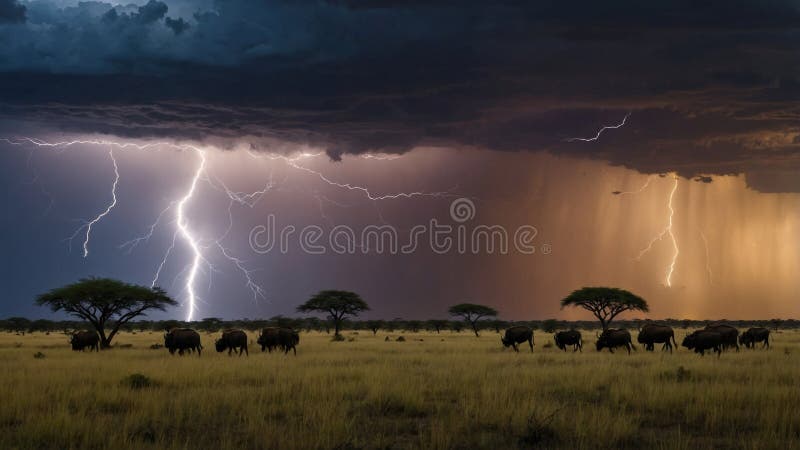
Kruger & Sabi Sands: May is beautiful—autumn colours, comfortable temperatures, and excellent game viewing as water starts to concentrate. November offers dramatic storm skies and the first green flush with newborn animals.
Okavango Delta: June is when the annual flood typically peaks—the Delta at its most photogenic with crystal-clear water. October/November offers extraordinary dry-season game viewing in the Moremi area before the rains begin.
Serengeti: Late October and November is calving preparation time in the southern Serengeti, with large herds and the first short rains creating beautiful green grasslands.
Mara: Early June and late October bookend the migration season. You may catch the early or late river crossings with significantly fewer vehicles than the July-September peak.
Smart travellers know that the best safari isn't always during peak season—it's during the season that matches your priorities and budget. Contact us to find your perfect shoulder season safari.