
Packing for safari doesn't have to be stressful. This expert-tested packing list covers everything you need — from clothing and camera gear to toiletries and travel documents — organized by category with insider tips.
Packing for safari is one of the most common sources of stress for first-time travelers. How do you dress for early morning game drives at 5°C and afternoon heat at 35°C? What camera gear do you need? Will you be judged for wearing the wrong colors?
Relax. After guiding thousands of safari travelers, we've created the definitive packing list that covers every scenario, every season, and every budget.
The Golden Rules of Safari Packing
Before we get into specifics, here are the rules that matter most:
- Pack light — Light aircraft have strict weight limits (15–20 kg), and you'll be unpacking/repacking between camps
- Soft bags only — Hard suitcases don't fit in bush planes. Duffels or soft-sided bags are essential
- Layer up — Mornings are cold (5–15°C), midday is hot (25–35°C), evenings are cool
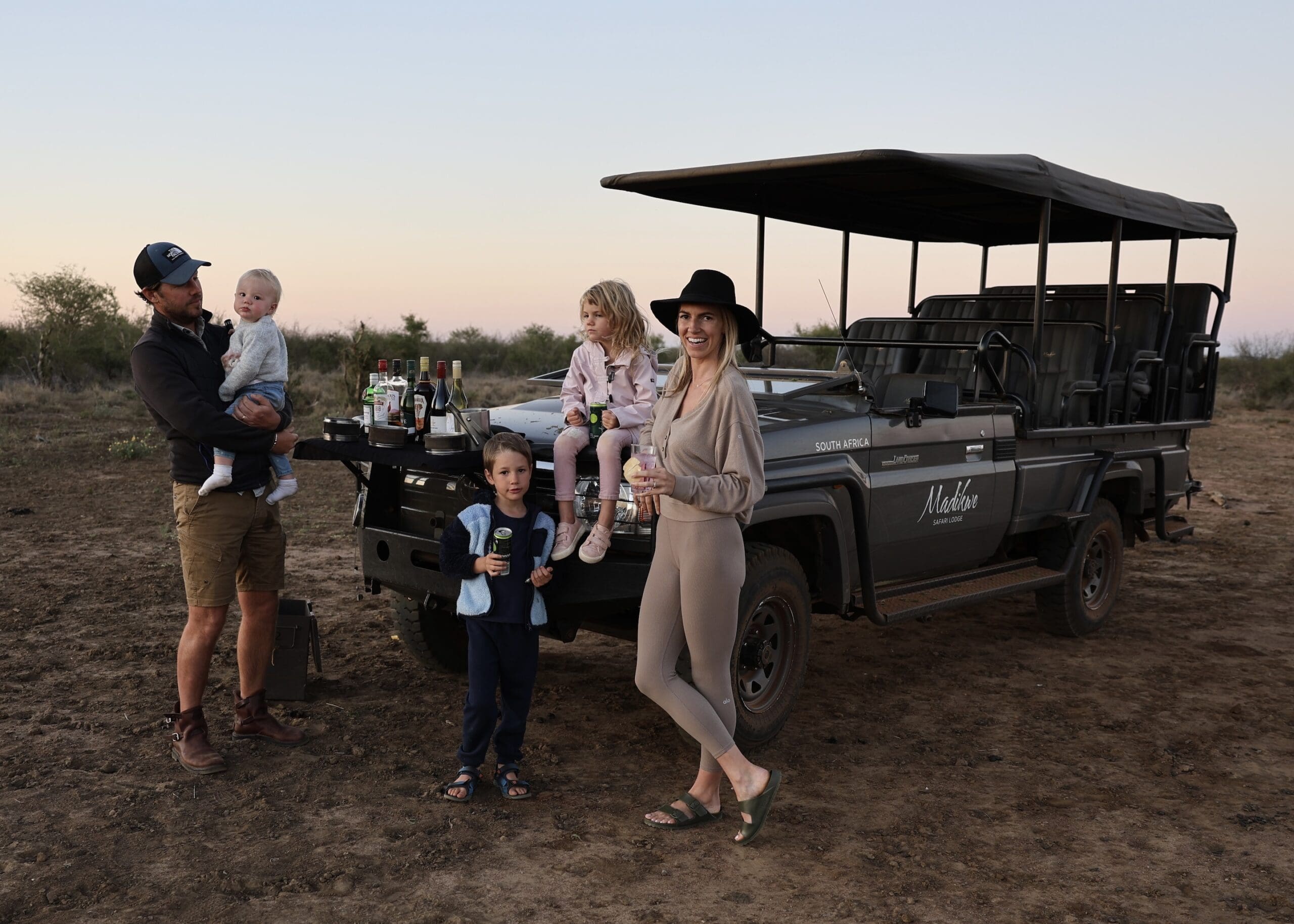
- Neutral colors — Khaki, olive, tan, brown. No bright colors, no white, no blue
- Less is more — Most lodges offer laundry service (often same-day)
Safari Clothing — What to Wear
Essential Clothing (All Seasons)
Tops:
- •3–4 lightweight, long-sleeved shirts (neutral colors, moisture-wicking)
- •2 short-sleeved T-shirts for warm afternoons
- •1 warm fleece or softshell jacket (mornings and evenings)
- •1 lightweight down jacket or insulated vest (June–August, especially)
Bottoms:
- •2–3 pairs of lightweight trousers (zip-off convertibles are ideal)
- •1 pair of comfortable shorts
- •1 pair of jeans or smart-casual trousers for evening dinners
Footwear:
- •Comfortable closed-toe walking shoes or lightweight hiking boots
- •Sandals or flip-flops for around camp
- •Thick socks (3–4 pairs)
Head & Hands:
- •Wide-brimmed hat or bush cap (sun protection essential)
- •Buff/neck gaiter (dust protection on game drives)
- •Lightweight gloves for cold morning game drives (June–August)
Rain Season Additions (November–April)
- •Lightweight waterproof rain jacket
- •Quick-dry clothing (everything takes longer to dry in humidity)
- •Waterproof bag for camera equipment
Winter/Dry Season Additions (May–September)
- •Warmer fleece or down jacket
- •Thermal base layer for early morning drives
- •Beanie/warm hat
- •Scarf
Camera & Photography Gear
Essential Camera Kit
- •Camera body with good ISO performance (low-light shooting)
- •Telephoto zoom lens: 100–400mm or 200–600mm
- •Memory cards (minimum 128 GB — you'll shoot thousands)
- •Extra batteries (2–3 minimum, cold mornings drain them fast)
- •Lens cloth and rain cover
- •Bean bag or car-mount for stable vehicle shots
Nice to Have
- •Wide-angle lens (landscapes, camp interiors)
- •Binoculars (8x42 or 10x42 — essential even for non-photographers)
- •GoPro for immersive video
- •Lightweight tripod for sunset/night sky shots
- •Drone (check regulations — banned in most national parks!)
Smartphone Photographers
Modern phones are surprisingly capable on safari:
- •Use 10x optical zoom for wildlife
- •Download a manual camera app for better control
- •Bring a phone mount for the vehicle
- •Portable charger (10,000+ mAh)
Toiletries & Health
Essentials
- •Sunscreen (SPF 50+, apply generously and repeatedly)
- •Insect repellent with DEET (30–50%)
- •Lip balm with SPF
- •After-sun lotion
- •Prescription medications (bring extra in case of delays)
- •Basic first-aid kit (plasters, antiseptic, pain relief)
Health Preparations
- •Anti-malaria medication (consult your travel doctor 6 weeks before)
- •Routine vaccinations up to date
- •Yellow fever certificate (required for some countries)
- •Travel insurance (essential — must cover medical evacuation)
- •Personal medical information card
Travel Documents & Money
- •Passport (valid for 6+ months after return, with 2+ blank pages)
- •Visa documentation (check requirements for each country)
- •Travel insurance documents (printed copy)
- •Vaccination certificates
- •Booking confirmations (printed backup)
- •Credit/debit cards (Visa is most widely accepted)
- •Small denomination USD for tips ($1, $5, $10 bills — must be post-2006)
- •Local currency for markets and small purchases
Tipping Guide
| Who | Suggested Tip |
|---|---|
| Safari guide | $15–20/day per person |
| Camp/lodge staff | $10–15/day per person (pooled) |
| Transfer driver | $5–10 per transfer |
| Porter | $2–5 per bag |
| Gorilla trekking porter | $15–20 per trek |
The Don'ts — What NOT to Pack
- ✗Hard-sided suitcase (won't fit in bush planes)
- ✗Bright or white clothing (scares wildlife, attracts tsetse flies)
- ✗Camouflage clothing (illegal in some countries)
- ✗Strong perfumes or colognes (attracts insects, disturbs wildlife)
- ✗Excessive electronics (embrace the disconnect!)
- ✗Formal clothing (safari lodges are smart-casual at most)
- ✗Hair dryer (most lodges provide them)
- ✗Too many books (Kindle is your friend)
Printable Packing Checklist
- ✓3–4 long-sleeved neutral shirts
- ✓2 short-sleeved T-shirts
- ✓1 warm fleece/jacket
- ✓1 lightweight down vest
- ✓2–3 lightweight trousers
- ✓1 shorts
- ✓1 smart-casual outfit for evenings
- ✓Closed-toe walking shoes
- ✓Sandals
- ✓3–4 pairs socks
- ✓Wide-brimmed hat
- ✓Buff/neck gaiter
- ✓Sunglasses (polarized)
- ✓Camera + zoom lens + batteries + cards
- ✓Binoculars
- ✓Sunscreen SPF 50+
- ✓Insect repellent (DEET)
- ✓Medications + first aid
- ✓Travel documents + insurance
- ✓USD for tips ($1s, $5s, $10s)
- ✓Soft-sided duffel bag
- ✓Daypack for game drives
- ✓Portable charger
- ✓Waterproof bag for electronics
Still have packing questions? Ask our safari experts — we've packed for thousands of safaris and know exactly what you need.