
Complete guide to Hwange National Park — Zimbabwe's largest park with 40,000+ elephants. Best camps, game viewing areas, seasonal tips, and how to plan the perfect Hwange safari.
Hwange: Where 40,000 Elephants Roam
Hwange National Park is Zimbabwe's flagship wildlife sanctuary and one of Africa's greatest parks. Covering 14,650 square kilometres of diverse habitats — from Kalahari sandveld to teak forest, mopane woodland to open grassland — Hwange supports an extraordinary diversity and density of wildlife. But it's the elephants that steal the show.
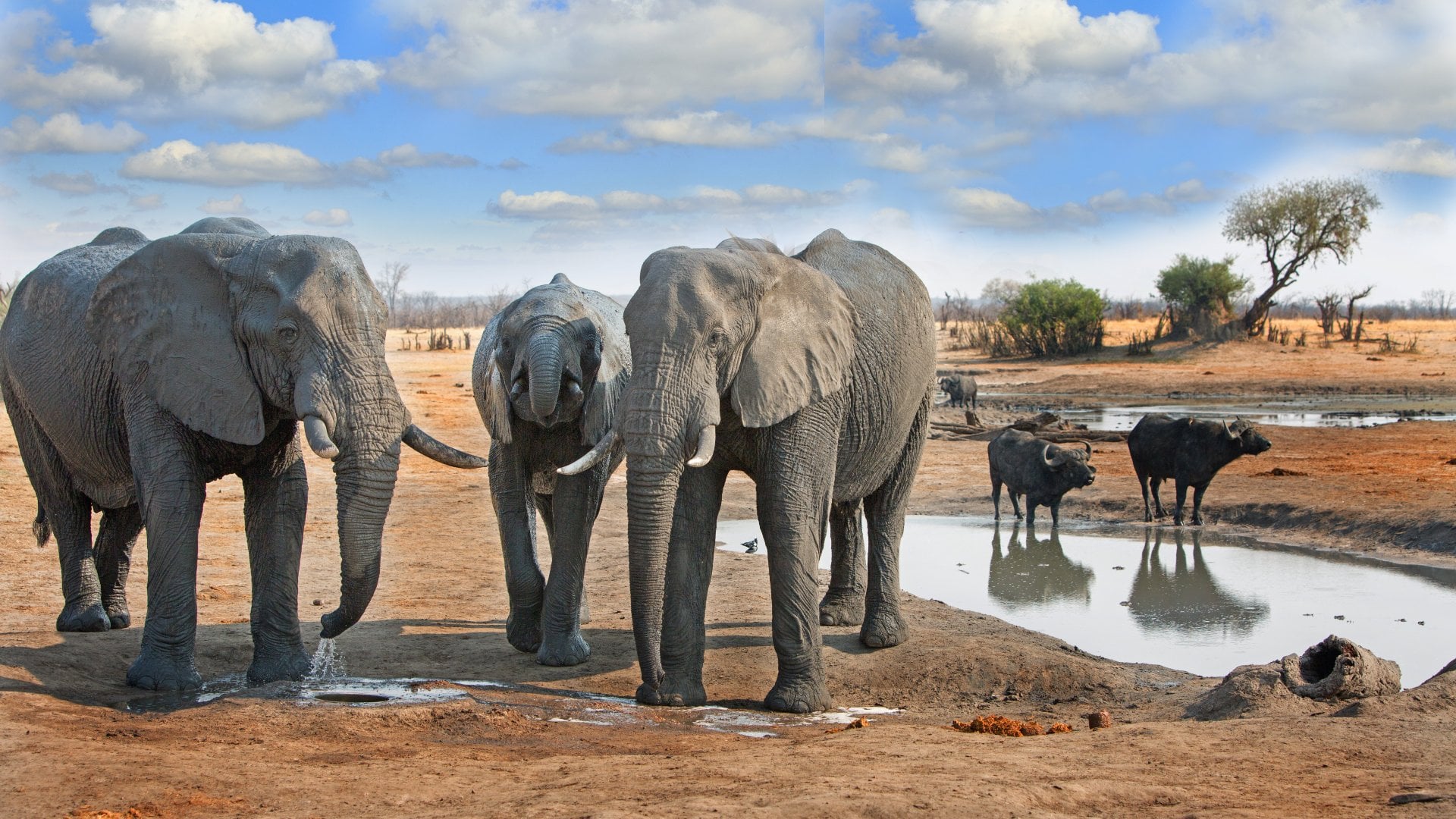
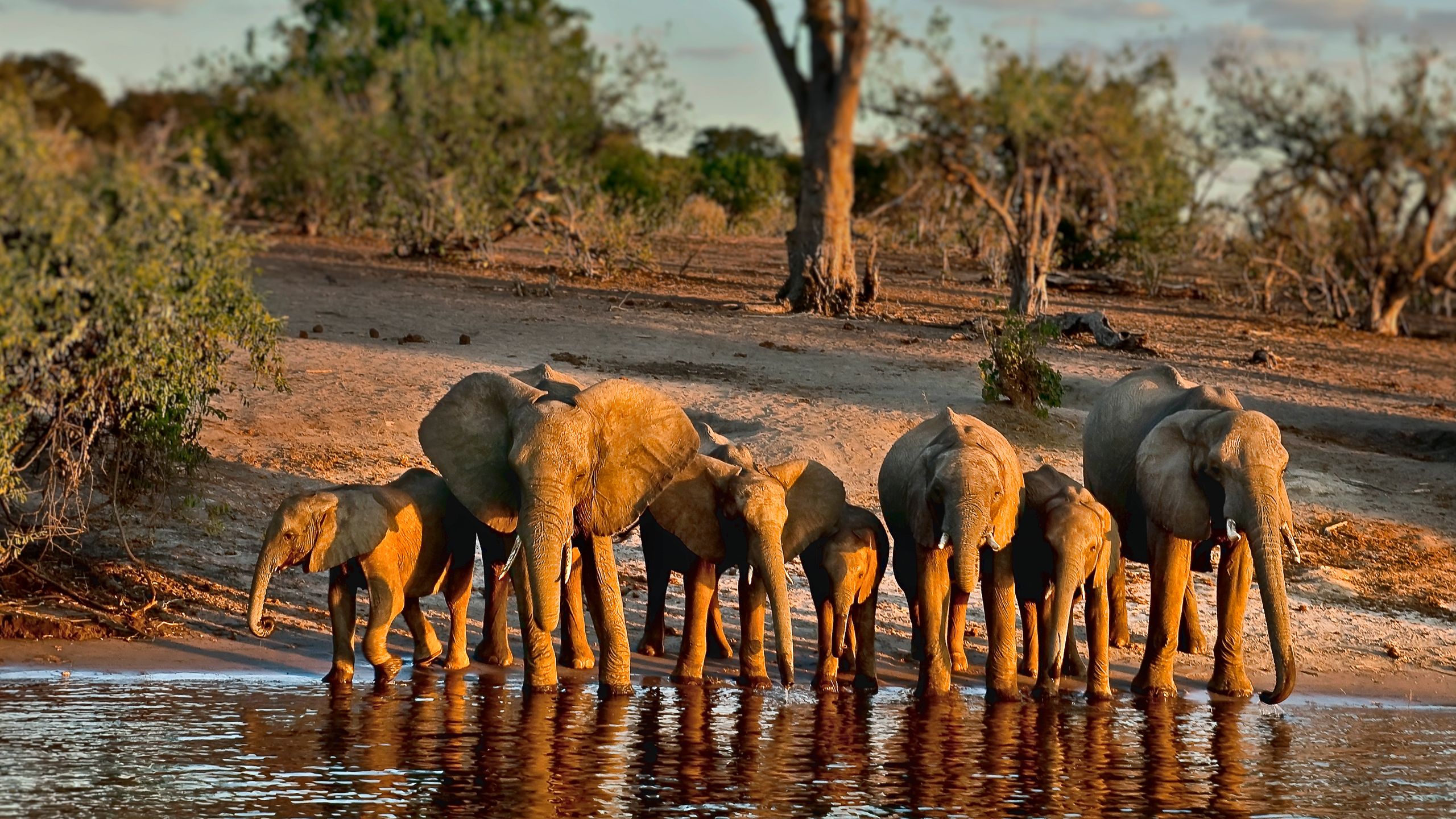
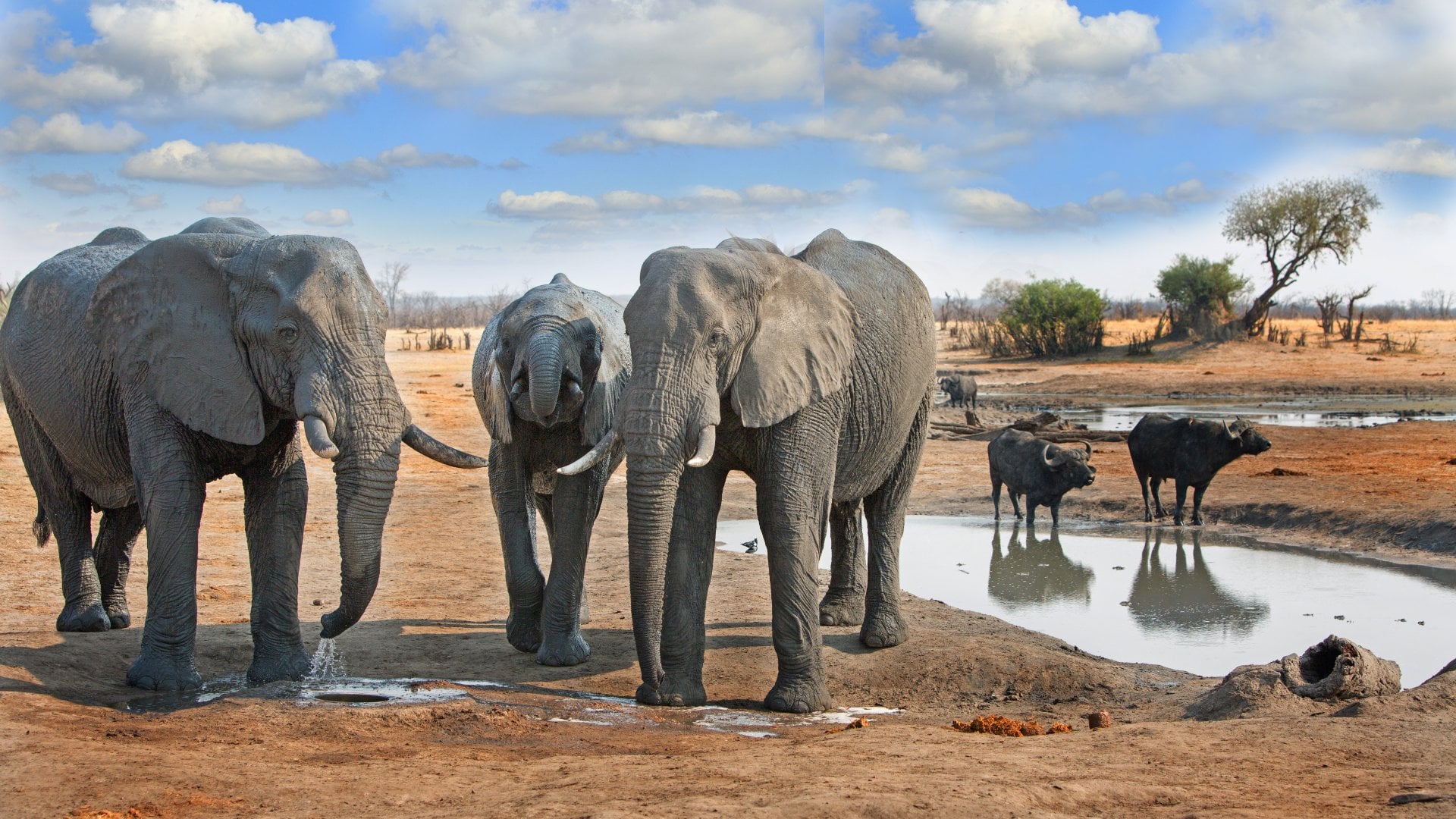
With an estimated 40,000-45,000 elephants, Hwange has one of the largest elephant populations of any single park in Africa. During the dry months, these magnificent creatures converge on the park's artificial waterholes in numbers that defy belief — herds of 200, 300, even 500 elephants gathering at a single waterhole at dusk. It's a spectacle that rivals the Great Migration in its raw, emotional power.
The Waterhole Experience
Hwange's waterholes are the park's defining feature. Unlike most African parks where animals must seek natural water sources, Hwange's pumped boreholes and artificial pans create predictable gathering points that make game viewing both reliable and spectacular. Many camps and lodges have private waterholes with underground hides or elevated viewing decks, allowing you to watch the parade of wildlife from just metres away.
A typical waterhole session in peak dry season might include: elephants arriving in waves from mid-afternoon, joined by buffalo herds, zebra, wildebeest, and giraffe. Predators — lions, leopards, hyenas — lurk in the surrounding bush, waiting for an opportunity. As darkness falls, the drama intensifies. This is safari at its most raw and captivating.
The most famous waterholes include Nyamandhlovu Pan (accessible by self-drive visitors), Ngweshla Pan, Kennedy Pan, and the private waterholes at camps like Somalisa and Linkwasha. Each has its own character and wildlife patterns, and serious safari enthusiasts spend days moving between them.
Beyond Elephants: Hwange's Predators
Hwange is a predator paradise. The park supports one of Africa's healthiest lion populations, with several large prides resident in the main game-viewing areas. Leopard sightings are regular, especially in the riverine areas around Sinamatella and in the Makalolo concession. Cheetah are present but less commonly seen than in open-plain ecosystems.
The park's wild dog population is one of its greatest assets. Hwange has one of Africa's largest wild dog populations, and sightings are frequent, particularly in the Linkwasha and Somalisa concession areas. The Painted Dog Conservation project, based near Hwange, does remarkable work protecting these endangered animals and offers fascinating behind-the-scenes visits.
Spotted hyena are abundant and highly visible, especially at waterholes where clan dynamics play out dramatically. Brown hyena, a much rarer species, are also present in Hwange's Kalahari sandveld areas — sightings are uncommon but possible on night drives.
Best Camps and Concessions
Linkwasha Concession: Home to Linkwasha Camp and Little Makalolo, this is Hwange's premier game-viewing area. The concession's open grasslands and waterholes provide extraordinary concentrations of wildlife and some of the park's best predator sightings.
Somalisa Concession: Somalisa Camp and Somalisa Expeditions are set in a beautiful area of acacia woodland with excellent elephant and predator viewing. The concession's private waterhole is legendary for dry-season gatherings.
Camelthorn Lodge: Located on the park's southern boundary, Camelthorn offers a more intimate, affordable alternative with its own waterhole and excellent guiding. It's particularly good for wild dog sightings.
Main Camp Area: Hwange's Main Camp offers budget-friendly national parks accommodation and access to some of the park's best-known waterholes, including Nyamandhlovu. It's the best base for self-drive visitors.
Practical Planning
The dry season (May-October) is prime time. July-September is peak, with the highest wildlife concentrations but also the highest prices and most visitors. May-June and October offer excellent game viewing with fewer people. The wet season (November-April) is lush and beautiful, with baby animals and migratory birds, but wildlife is more dispersed.
Hwange combines perfectly with Victoria Falls (2 hours away), creating one of southern Africa's best short safari itineraries. A 3-night Hwange + 2-night Victoria Falls combination is our most popular Zimbabwe package. Contact us to plan your Hwange safari.