
Everything you need to know about fly-in safaris in Africa. From bush planes to luxury camps, discover why flying between safari destinations is the best way to maximise your wildlife experience.
Why Fly-In Safaris Are the Best Way to Experience Africa
A fly-in safari transforms your African adventure from a holiday into an expedition. Instead of spending hours driving between destinations, you soar over the wilderness in a small bush plane, landing on dirt airstrips surrounded by wildlife. It's the most efficient, exciting, and exclusive way to experience Africa's remote safari areas.
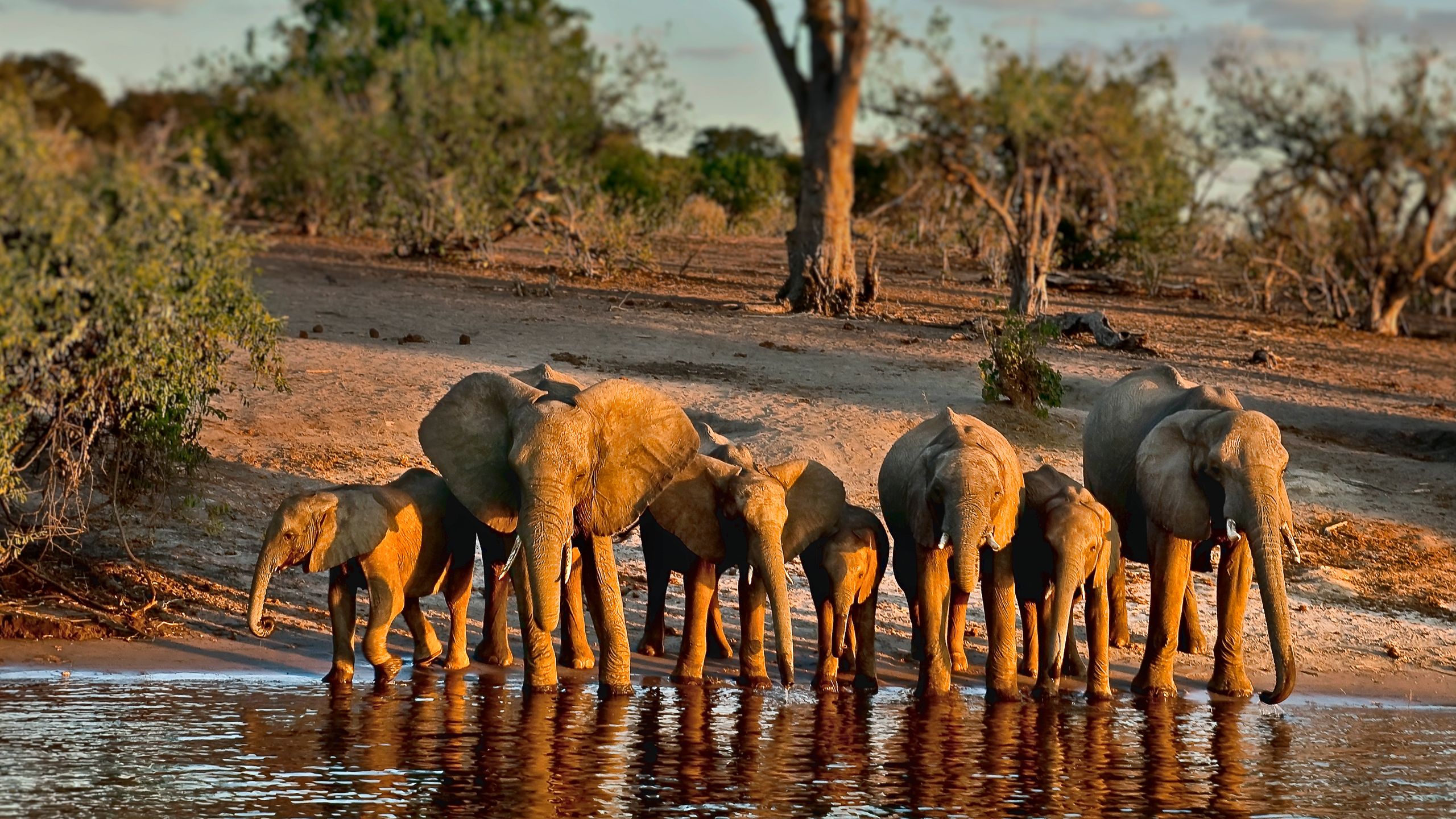
Fly-in safaris are the standard in destinations like Botswana's Okavango Delta, Tanzania's Selous/Nyerere, and Zambia's national parks, where distances between camps are vast and roads can be challenging or non-existent. The aerial perspective alone is worth it—seeing elephant herds from above, tracing river meanders, and watching the landscape shift from savanna to delta to woodland is unforgettable.
How Fly-In Safaris Work
The typical fly-in safari operates on a hub-and-spoke model. You'll fly from an international gateway (like Maun in Botswana, Arusha in Tanzania, or Nairobi in Kenya) to your first bush camp via a scheduled or charter light aircraft flight. Between safari camps, you'll fly on small bush planes (typically Cessna Caravans or similar) holding 6-14 passengers.
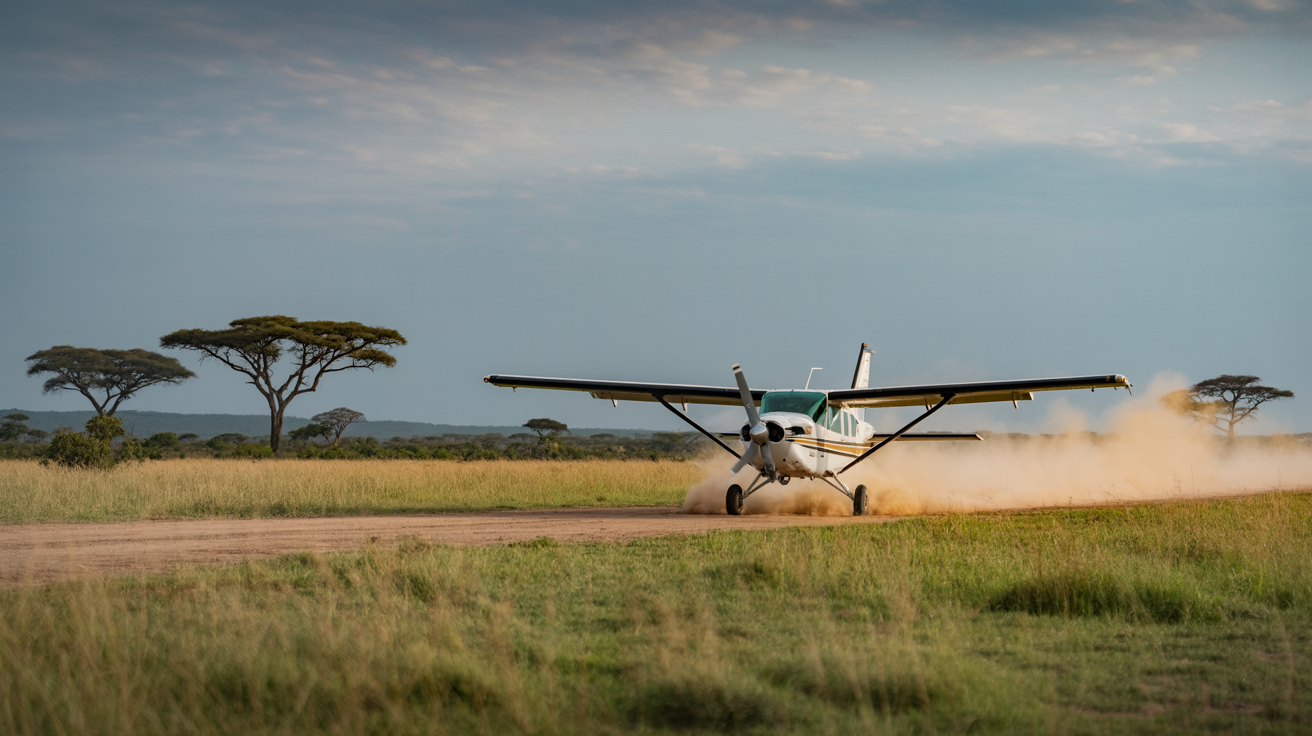
Airstrips are usually unpaved—packed earth or grass—and landing on them is part of the adventure. It's not uncommon for your pilot to buzz the airstrip first to clear any wildlife before landing. Your guide from the next camp will meet you at the airstrip, and you'll often spot animals on the short drive to camp.
Most fly-in camps operate on an all-inclusive basis: accommodation, all meals and drinks (including premium spirits and wines), two game activities per day, laundry, and the inter-camp flights are all included in the nightly rate. This makes budgeting straightforward, even if the headline price seems high.
Best Destinations for Fly-In Safaris
Botswana's Okavango Delta: The quintessential fly-in safari destination. The Delta's network of islands, channels, and floodplains can only be accessed by air or water. Flying in gives you a breathtaking aerial view of the Delta's labyrinthine waterways before landing at your island camp. Most visitors fly between 2-3 Delta camps plus a Chobe or Makgadikgadi camp.
Tanzania's Southern Circuit: The Selous/Nyerere Game Reserve and Ruaha National Park are vast, remote, and relatively uncrowded compared to the Serengeti. Fly-in camps here offer intimate wildlife experiences with far fewer visitors. The flight from Dar es Salaam or Arusha reveals Tanzania's diverse landscapes.
Kenya's Conservancies: The Masai Mara's private conservancies, Laikipia Plateau, and Samburu are best accessed by bush plane. Flying from Nairobi's Wilson Airport to the Mara takes just 45 minutes, versus a gruelling 5-6 hour drive. Mara conservancies limit visitor numbers, so the exclusive feel is preserved.
Zambia's Parks: South Luangwa, Lower Zambezi, and Kafue are spread across vast distances. Most Zambia safari itineraries involve flying between parks, with Lusaka or Livingstone as hubs. The flights provide stunning views of the Zambezi Valley and Luangwa rift.
Packing for a Fly-In Safari
The biggest adjustment for fly-in safari travellers is luggage. Strict weight limits (typically 15-20kg including carry-on) and soft bag requirements mean you must pack light. Most lodges offer same-day laundry, so you can rewear clothing. Focus on versatile, neutral-coloured layers.
Leave hard suitcases at your hotel in the gateway city—many hotels offer free luggage storage. Pack a soft duffel bag that compresses when not full. Camera equipment counts toward your weight limit, so consider carefully what gear to bring.
At Simba Beyond Africa Safaris, we specialise in designing seamless fly-in safari itineraries. We handle all internal flights, transfers, and logistics so you can focus on the wildlife. Contact us to plan your fly-in safari adventure.