
Discover how responsible safari tourism directly funds conservation. From anti-poaching operations to community development, learn how your trip makes a difference for Africa's wildlife.
Your Safari: A Force for Conservation
Every time you go on safari, you're making a direct contribution to the survival of Africa's wildlife. Safari tourism is the single most important economic justification for maintaining wild spaces in Africa. Without the revenue generated by tourists, much of Africa's remaining wilderness would be converted to farmland, and wildlife populations would plummet.
This isn't marketing—it's economics. In Kenya alone, tourism contributes over $1 billion annually to the economy, much of it generated by wildlife tourism. In Botswana, tourism is the second-largest contributor to GDP after diamonds. These economic realities give governments powerful incentives to protect wild spaces.
How Safari Revenue Supports Conservation
Park Fees: Every visitor to a national park or reserve pays entry fees, which fund park management, ranger salaries, road maintenance, and anti-poaching patrols. In Rwanda, $75 of every $1,500 gorilla trekking permit goes directly to community development around the park. In Tanzania, park fees fund the management of the entire national park system.
Concession Fees: Safari lodges operating on concession land pay annual fees to governments or communities, sometimes hundreds of thousands of dollars per year. These fees are a major incentive for maintaining land as wildlife habitat rather than converting it to agriculture.
Community Revenue Sharing: Many modern safari operations share revenue directly with local communities. Kenya's conservancy model has been revolutionary—private conservancies like Ol Pejeta, Lewa, and the Mara conservancies pay communities per acre per month, creating direct economic benefits from wildlife that exceed what the land could generate through farming.
Employment: Safari lodges are often the largest employers in remote areas. A single lodge can employ 50-200 local staff, each supporting an extended family. This employment gives communities a tangible stake in wildlife conservation—if the animals disappear, so do the jobs.
Anti-Poaching: The Frontline of Conservation
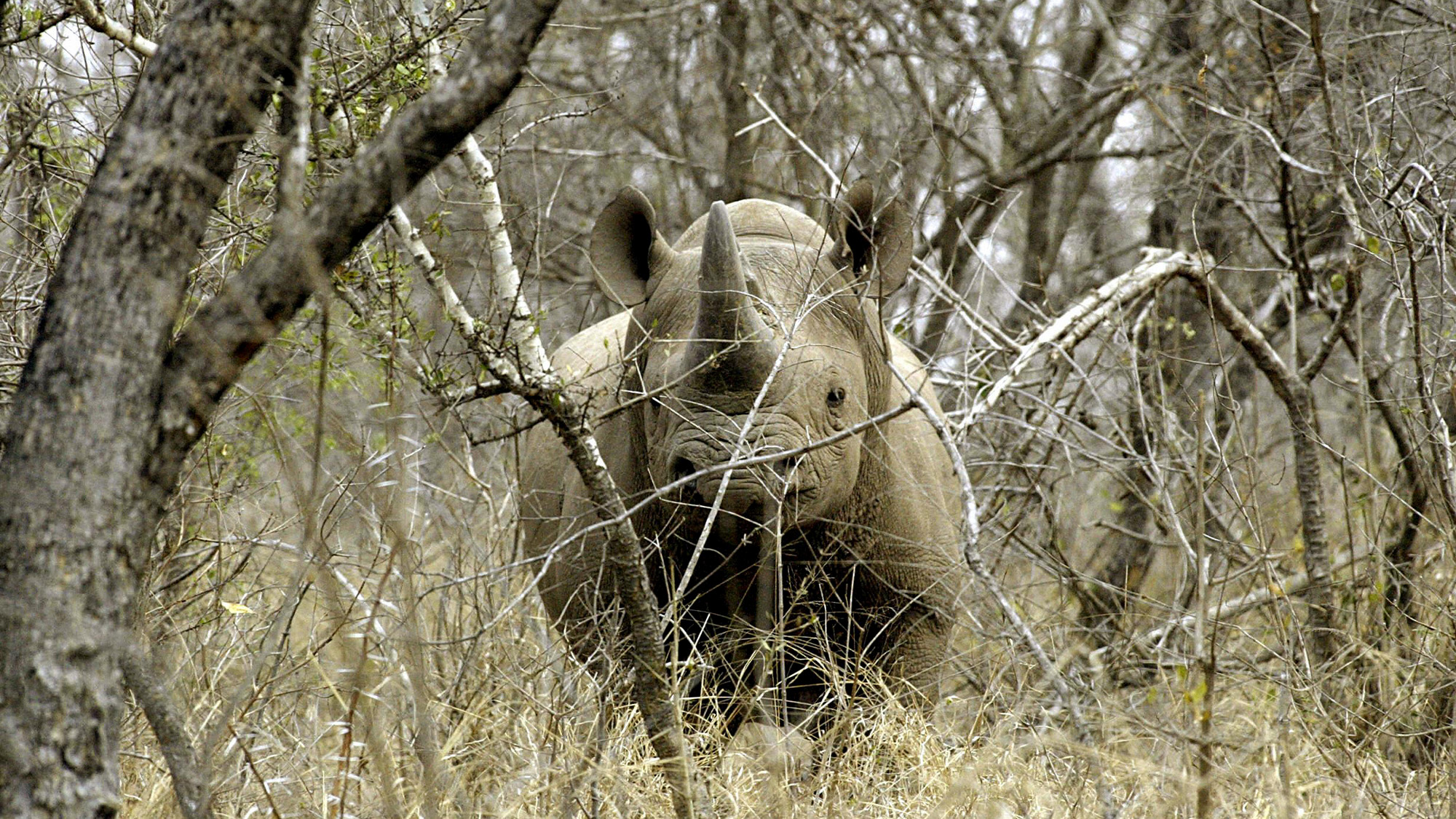
Poaching remains the greatest immediate threat to Africa's wildlife. Rhinos are killed for their horns, elephants for their ivory, and pangolins for their scales. The fight against poaching is expensive—equipping, training, and deploying anti-poaching units costs millions of dollars annually across Africa.
Safari tourism is the primary funder of anti-poaching operations. Organisations like &Beyond, Singita, and Great Plains Conservation fund their own anti-poaching units from lodge revenue. In the Sabi Sands, intensive anti-poaching protection funded partly by tourism revenue has kept rhino populations stable while surrounding areas have been decimated.
You can actively participate in conservation during your safari. Some lodges offer behind-the-scenes visits to anti-poaching unit headquarters, tracking experiences with conservation dogs, and wildlife monitoring activities. These experiences are not only fascinating but give you a deeper understanding of the challenges facing Africa's wildlife.
Conservation Success Stories
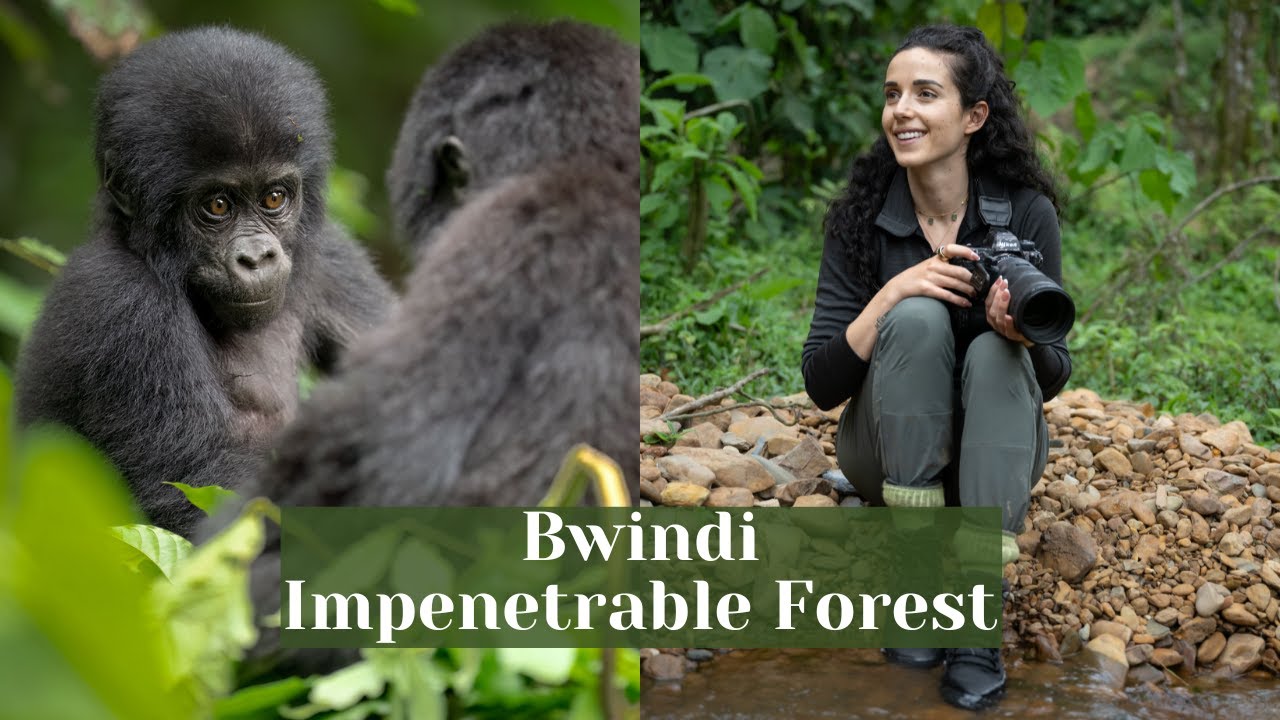
Mountain Gorillas: Gorilla trekking tourism has been instrumental in increasing mountain gorilla numbers from fewer than 300 in the 1980s to over 1,000 today. The $1,500 Rwanda permit and $800 Uganda permit fund habitat protection, community development, and veterinary care for gorilla populations.
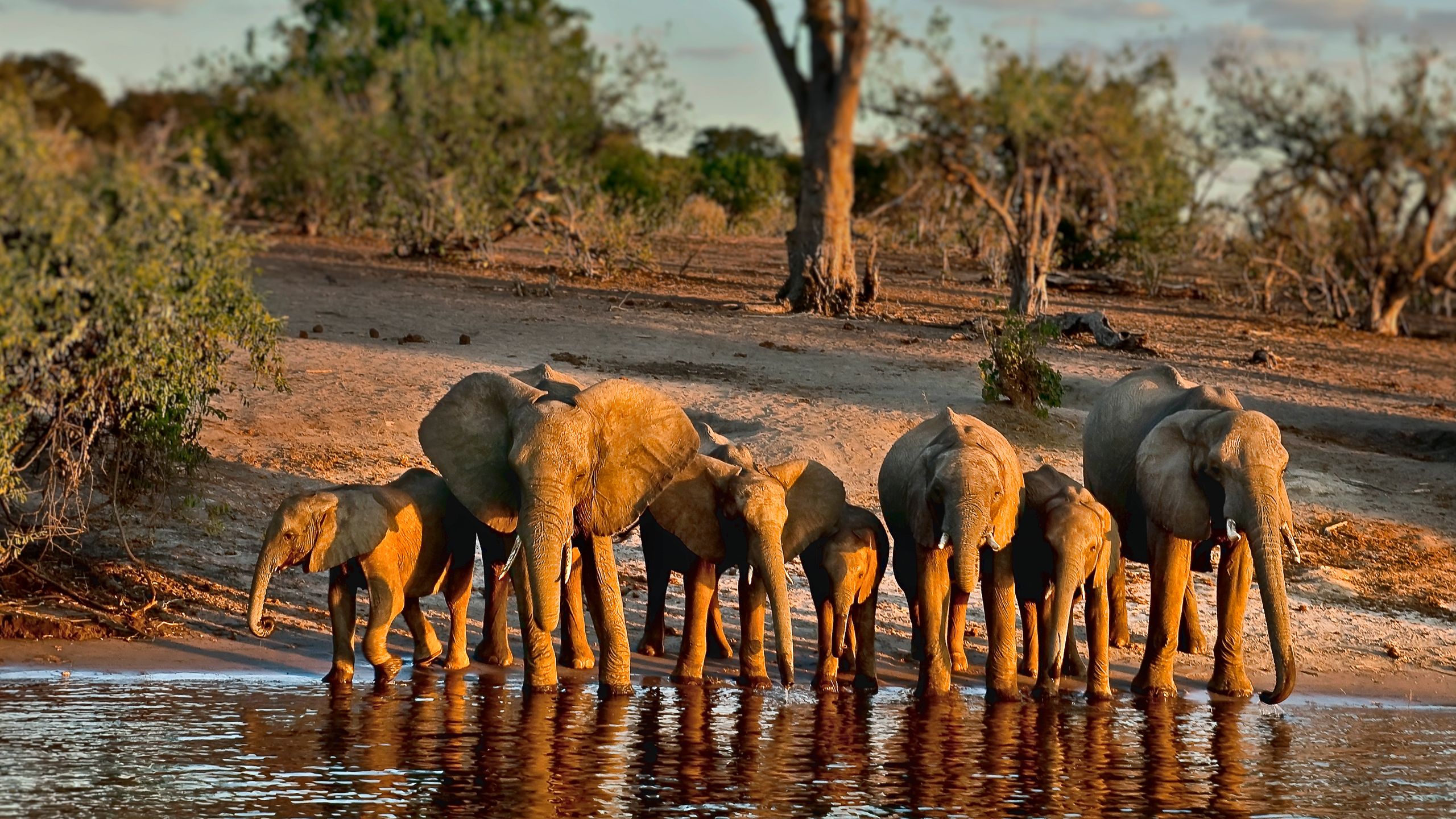
Namibian Conservancies: Namibia's community conservancy programme has transformed former hunting grounds into thriving wildlife areas. Since the programme began in 1996, wildlife populations have rebounded dramatically—elephant numbers increased from 7,500 to 22,000, black rhino populations stabilised, and lion numbers in communal areas more than doubled.
Gorongosa, Mozambique: Tourism revenue is helping fund one of Africa's most ambitious rewilding projects. After being devastated by civil war, Gorongosa is being restored with the help of a partnership between the Mozambican government and the Carr Foundation. Tourist visits fund habitat restoration, community health and education programmes, and wildlife reintroduction.
Choosing a Conservation-Minded Safari
At Simba Beyond Africa Safaris, we partner exclusively with lodges and operators that demonstrate genuine commitment to conservation. We prioritise community-owned or community-partnered conservancies, operators with transparent conservation contributions, and lodges that minimise their environmental footprint.
When you book with us, you're not just getting a wildlife experience—you're making a meaningful contribution to the survival of Africa's wild places and the communities that protect them. Contact us to plan a safari that makes a difference.